


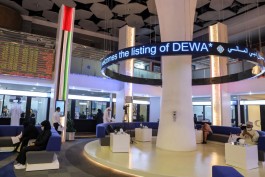

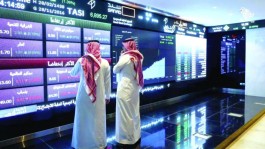
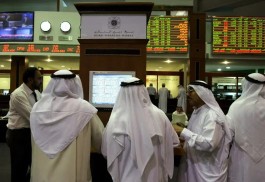
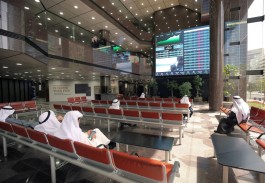
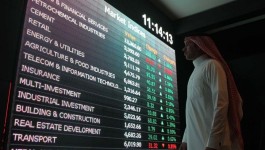

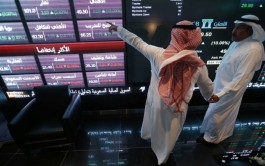
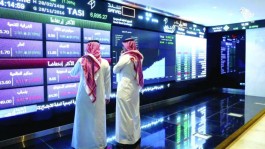















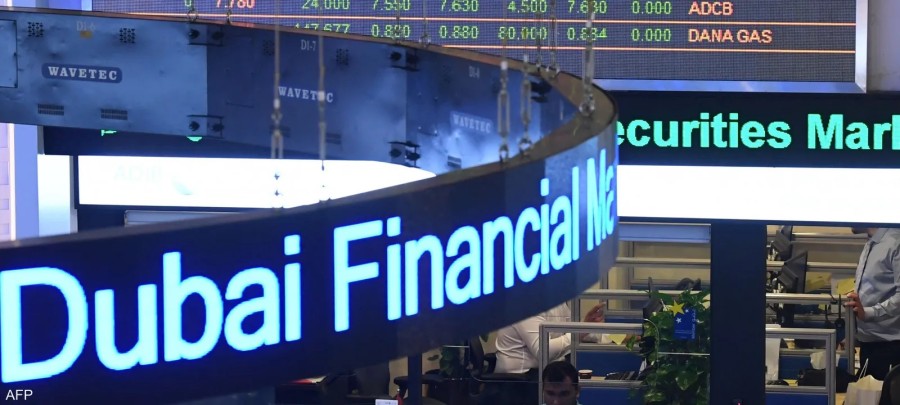


The UAE stock markets witnessed mixed declines after an hour of trading today, as the Dubai Financial Market index reversed its direction towards a downward trend, losing about 3 points to reach a level of 5445 points, after starting the session with a rise of 0.5%.
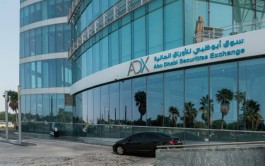
According to trading data, the Abu Dhabi Securities Exchange index deepened its decline to reach 0.4% at the level of 9592 points, compared to a slight decline that did not exceed 0.1% at the beginning of trading, amid a state of anticipation that dominates investor sentiment.
These price movements come at a time when the Dubai and Abu Dhabi markets continue to implement the decision to limit the daily price decline to 5% instead of 10% temporarily; this is a precautionary measure aimed at enhancing the stability of trading and protecting investors from sharp fluctuations, while continuing to coordinate with regulatory authorities to review these controls periodically in accordance with developments.
The decline in the UAE stock markets today comes amid escalating regional geopolitical tensions, as the UAE Ministry of Defense recently announced the success of its air defenses in intercepting and destroying hostile ballistic missiles and drones, confirming its full readiness to confront any threats targeting the security and sovereignty of the state.
On the economic front, the current turmoil in the Strait of Hormuz has put pressure on global supply chains and energy flows, with reports indicating that Gulf oil exports fell by about 50% during March as a result of these tensions, casting a shadow over investor sentiment and pushing markets towards cautious levels.
Despite these challenges, data from the first quarter of 2026 showed resilience in the financial sector, with the UAE markets recording a significant increase in new account openings during March, supported by government stimulus packages, including AED 1 billion in facilities to support the business sector in Dubai, aimed at easing economic pressures and ensuring sustainable growth in non-oil sectors.