





































Gold prices fell on Wednesday, after hitting their lowest level in seven months during the previous session, pressured by rising US Treasury yields, while declining chances of a permanent peace agreement between the US and Iran contributed to increased inflationary concerns and expectations of tighter monetary policy from the US Federal Reserve.
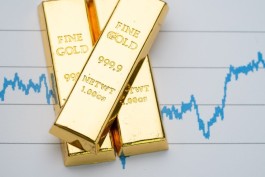
The price of gold in spot trading fell 0.8% to $3,975.30 an ounce, after touching $3,942.99 an ounce in the previous session, its lowest level since last November.
US gold futures for August delivery also fell 1.2% to $3,987.70 an ounce.
The yellow metal recorded its biggest quarterly loss since 2013 yesterday, and declined for the fourth consecutive month in June, amid growing concerns about continued inflationary pressures and rising prospects of US interest rate hikes.
Ilya Spivak, head of global macroeconomics at Tasty Life, said that rising Treasury yields are the main factor behind the pressure on gold, adding that the rise of the US dollar supports this trend, as it increases the cost of the precious metal for holders of other currencies.
The US dollar rose, while benchmark 10-year US Treasury yields continued their gains, reducing the appeal of gold, which does not yield.
The CME Group’s FedWatch tool indicates that traders expect a probability of about 67% for the US Federal Reserve to raise interest rates in September, reflecting increasing bets on a tightening of monetary policy.
Investors are awaiting the release of the US private sector employment data for June from ADP later today, along with the non-farm payrolls report tomorrow, Thursday, looking for further indications of the Federal Reserve's monetary policy path and its potential impact on gold prices in the coming period.
In energy markets, oil prices rose after Iran announced it would not hold a meeting with US envoys who had traveled to the region, dampening hopes for near-term diplomatic progress.