

































Oil prices stabilized after the biggest quarterly drop since the coronavirus pandemic, as traders monitored peace talks between the United States and Iran and the resumption of shipping traffic through the Strait of Hormuz.
Brent crude traded above $73 a barrel, after falling by about a third over the past three months, while West Texas Intermediate crude was near $70.
A senior U.S. administration official said that negotiators Jared Kushner and Steve Wittkopf had positive discussions in Qatar, and that technical talks with Iran were moving forward.
The pair were in Doha for indirect talks to ease tensions over the vital waterway linking Gulf producers to global markets.
Crude oil prices have fallen in recent days as the two warring parties continue discussions to reach a more sustainable agreement, although recent attacks around Hormuz have disrupted the negotiations.
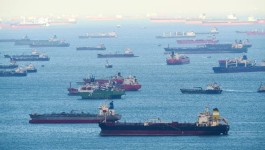
Oil tanker traffic is now showing signs of recovery, having rebounded since the US and Iran exchanged strikes over the weekend.
Samantha Dart, co-head of global commodities research at Goldman Sachs Group, referring to the conflict, said: “We expect this to end by the end of July.” She added: “Once flows through the strait resume, the expectation is that we will enter a supply surplus.”
Expectations of an oil glut with the return of Hormuz flows
Goldman Sachs estimates the surplus at approximately 2 million barrels per day next year, even after accounting for the replenishment of global strategic petroleum reserves following the Iran war.
Morgan Stanley also warned of a possible imminent glut as flows through the Strait return at a faster pace than expected, and lowered its price forecasts for the second time in about two weeks.
Markets are now also facing a surge in crude oil from other sources. Iran has said it has exported more than 40 million barrels of oil since the United States lifted its naval blockade, while Russian shipments are rising to record levels, creating a significant buildup of barrels at sea.
Iran reiterated its determination to control maritime traffic through the strait, in a reminder that key points of contention, including over the country's nuclear program and ending the fighting in Lebanon, remain and will complicate discussions during the 60-day ceasefire window.
Traders will also be looking at U.S. crude oil inventory data due later on Wednesday. This comes after Energy Information Administration data released last week showed nationwide inventories at their lowest level since 1984.