
































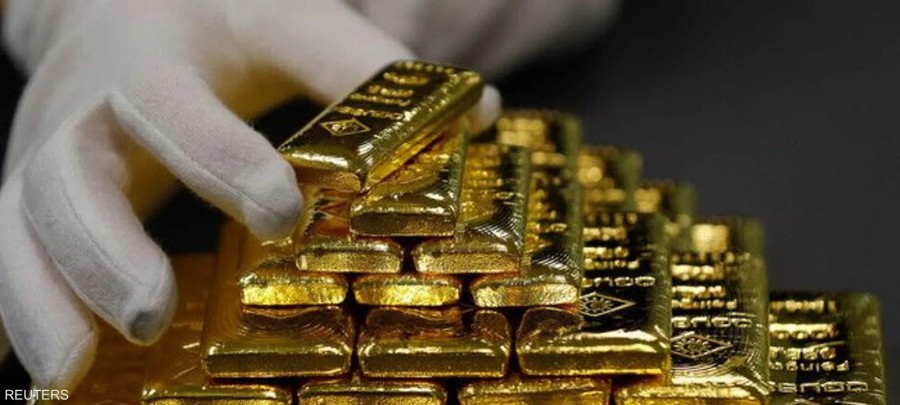


Despite the volatility in commodity prices at the end of January, precious metals, oil, and industrial metals ended the month with notable gains. Dominic Schneider, head of commodities and head of currency investment for Asia Pacific at UBS Wealth Management, believes that reduced volatility will allow gold and other major commodities to capitalize on supportive fundamentals.
Schneider explained in his periodic update on commodity markets that precious metal prices rose during January despite the volatility, driven by political, geopolitical and economic uncertainty that boosted demand for safe-haven assets.
He also noted that copper hit a record high in late January before entering a consolidation phase, while oil prices were supported by temporary supply disruptions in the United States and Kazakhstan, along with a weaker dollar and escalating tensions in the Middle East.
Strong fundamentals support a new upward wave
Schneider believes that the recent volatility is bringing the focus back to the fundamental factors that continue to support gold and a number of strategic commodities.
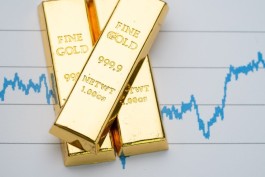
UBS expects gold to resume its upward trajectory to reach $6,200 an ounce by mid-year, supported by increased central bank purchases, rising fiscal deficits, declining real interest rates in the United States, and continued geopolitical risks.
The supply shortage in copper and aluminum is also expected to continue, which will support prices in the medium term, while structural drivers such as the shift to electricity and clean energy remain a strong support factor for long-term demand.
Investment recommendations and diversification of commodity exposure
Schneider advised investors who do not hold positions in gold to add a moderate percentage of it to their portfolios, given its role in promoting diversification and hedging against risks.
Investors with large gold allocations and unrealized gains are advised to expand their exposure to other commodities such as copper, aluminum, and agricultural assets to diversify their sources of returns.
He stressed that commodities are poised to play a more prominent role in investment portfolios during 2026, given supply and demand imbalances, escalating geopolitical risks, and the accelerating global transformation in the energy sector.
Gold expectations significantly increased
The forecast of gold reaching $6,200 an ounce represents a significant upward revision compared to Schneider's estimates just a month ago. On January 5, he predicted that central bank purchases, widening fiscal deficits, falling US interest rates, and persistent geopolitical risks would push gold to $5,000 by the end of the first quarter.
Schneider believes that the role of commodities in investment portfolios will become increasingly important during 2026, with notable opportunities in copper, aluminum and the agricultural sector, while gold remains a key element in risk diversification.
He noted that tight supplies and high demand will support prices for many commodities during 2026, amid ongoing structural shifts in the global economy.
Gold is expected to continue making further gains this year, benefiting from central bank purchases, large fiscal deficits, and a decline in real returns on US bonds.
He concluded by saying that in his view, gold will remain an attractive hedging tool and a key pillar in investment portfolios, especially in a global environment characterized by high risks and ongoing uncertainty.