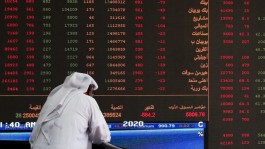

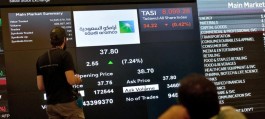







Military developments in the Middle East have sent European natural gas prices soaring to a peak of 34%, as uncertainty grows over the duration of the export stoppage from the world’s largest liquefied natural gas export facility in Qatar, and the potential for widespread disruption to global energy supplies.
This surge came just one day after a strong upward trend, reflecting a genuine state of panic in the markets, especially with China, the world’s largest importer of liquefied natural gas, entering the fray by demanding that all parties guarantee the safe passage of ships through the Strait of Hormuz.
In this context, reports revealed that Beijing is exerting direct pressure on Iranian officials to avoid any measures that might disrupt Qatari gas exports, recognizing the extent of the impact that could affect global supply chains if the shutdown were to continue.
A facility representing one-fifth of the world shuts down
Qatar Energy, which supplies about one-fifth of the world's liquefied natural gas, halted operations after being attacked by an Iranian drone, an unprecedented development in terms of its scale and potential impact on the market.
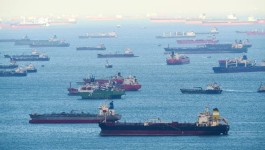
Prior to this official halt, the escalating war in the region had effectively brought the Strait of Hormuz, the vital waterway on which Qatar depends to export its produce to global markets, to a near standstill, further heightening concerns.
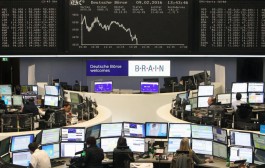
As a result, European gas prices have jumped by about 70% since the close of trading on Friday, in volatility not seen in the markets since the major energy crisis of 2022, reflecting the magnitude of the structural shock facing the continent.
Europe between the end of winter and the storage season
Europe is entering the final stage of winter with its stockpiles at relatively low levels, putting it in a vulnerable position ahead of the start of the reservoir refilling season in preparation for next winter.
With the prospect of increased competition with Asia for LNG shipments, the price gap between summer and winter contracts has widened, with summer contracts becoming a high premium compared to the subsequent winter contracts.
This shift makes gas storage economically unviable for traders, as it loses the usual financial incentive to store fuel and sell it later at higher prices, which increases pressure on European supply security.
Sharp fluctuations and a market in a state of anticipation
Analysts expect strong volatility to continue in the coming days as companies and traders reassess their supply portfolios in light of the loss of Qatari production of this magnitude.
Buyers in the Asia-Pacific region are likely to be the most eager to buy immediately in the short term, which could push global prices even higher.
At the same time, traders began to question the actual extent of the damage to the Qatari facility, given that this shutdown is one of the largest unplanned outages in the history of the liquefied natural gas industry.
The duration of the conflict is the decisive factor.
The fundamental question in the market remains how long the fighting will last, as price trends depend heavily on how quickly the conflict is contained or expands, especially with conflicting messages coming from the US regarding the prospects for military operations.
As concerns mounted, countries such as Taiwan and South Korea rushed to find alternative sources to secure the gas supplies needed to generate electricity, in an early indication of the start of a global race for available shipments.
Conversely, market sources confirmed that China is pushing hard to keep the Strait of Hormuz open, recognizing that any prolonged closure would lead to wider disruption beyond the region.
Further price increases expected, but warnings of a return to supply crises.
Goldman Sachs has raised its forecast for European gas prices in April 2026 to €55 per megawatt-hour, compared to a previous estimate of €36, reflecting a comprehensive risk repricing.
Given that most of Qatar’s gas exports go to Asia, analysts expect spot prices in Asian markets to rise at a relatively faster pace than in Europe, which could deepen global competition for supplies.
The concerns also extended to the options market, where implied volatility rose to its highest level since the summer of 2023, indicating that investors are bracing for further turmoil.
In conclusion, the issue of supply security is back at the forefront of the European scene, and with the continued closure of the Strait of Hormuz and the shutdown of a facility that represents one-fifth of the global market, Europe appears to be facing a new test that may bring back memories of the energy crisis of 2022, but this time in a more complex and intertwined geopolitical environment.