





























Oil prices rose from their lowest level since 2021 after US President Donald Trump escalated pressure on Venezuela by ordering a blockade of sanctioned oil tankers off the coast of the South American country.
Brent crude rose above $59 a barrel, after losing more than 5% in the previous four sessions, amid concerns about a widening global supply glut. West Texas Intermediate crude traded near $56.
US escalation against the Maduro regime
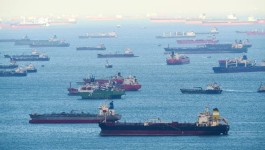
Trump said in a social media post on Tuesday that he had ordered a blockade on crude oil tankers entering and leaving Venezuela.
This move represents a significant escalation and comes after US forces seized an oil tanker off the coast of Venezuela last week. Trump also announced his decision to designate the regime of Venezuelan President Nicolás Maduro as a foreign terrorist organization.
Venezuela's oil production has risen since hitting its lowest point in 2020, but it is still far from the levels it reached decades ago.
Shipments loaded onto tankers for export reached approximately 590,000 barrels per day last month, compared to global consumption exceeding 100 million barrels per day. Most of Venezuelan crude exports go to China.
The prolonged crisis may push China to seek alternatives.
The volume of Venezuelan oil stored on tankers across Asia should mitigate the immediate impact on buyers in China, but any prolonged disruption to exports could prompt refineries to seek more expensive alternatives.
According to Rapidan Energy Group, about 30% of shipments are at risk if the United States escalates hostilities.
Warren Patterson, head of commodity strategy at Singapore-based ING Group, said: The oil market has recently dealt with supply risks calmly, given the size of the surplus expected through 2026. With prices up less than 1% currently, it's clear the market isn't too worried.
Supply surplus forecasts are putting pressure on annual projections.
Oil is still on track to record an annual loss, driven by expectations of a supply surplus after the OPEC+ alliance increased production at a rapid pace, along with increased output from other producers, amid weak demand.
Signs of weakness are emerging in the market from the United States to the Middle East, as investors brace for a surplus that the International Energy Agency expects to be the largest since the coronavirus pandemic.
Meanwhile, traders are assessing the prospects for a peace agreement in Ukraine, which could pave the way for easing restrictions on Russian oil exports.