









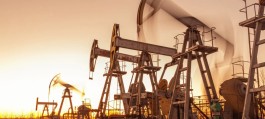












Oil prices rose for the third consecutive day after US President Donald Trump warned Iran that it must reach a nuclear agreement or face military strikes, bringing back to the forefront fears of potential unrest and supply disruptions in the Middle East.
Brent crude advanced towards $69 a barrel after rising 1.2% in the previous session to close at its highest level since September, while West Texas Intermediate crude traded near $64.
Trump said in a social media post on Wednesday that the US ships he ordered to the region were ready to carry out their mission quickly and forcefully if necessary.
Risk premium despite supply pressures
Trump's latest threats have introduced a risk premium to prices, even as the market faces downward pressure from an anticipated increase in supply. Traders are paying a high premium for long-term bullish call options for the longest period in nearly 14 months, as they hedge against the risk of a renewed confrontation between the United States and Iran.
In recent years, options markets have become a key channel for traders to bet on escalating geopolitical risks in the Middle East. Call option premiums surged after the US launched a military strike on Iran in 2015, before later declining when it became clear that the oil facilities had not been damaged.
The Strait of Hormuz is in danger
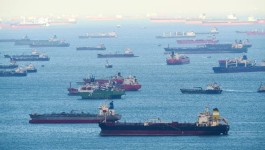
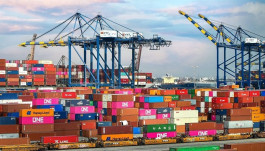
Any US attack could jeopardize crude oil flows from the Middle East, a region that accounts for roughly a third of global supplies. Iranian retaliation could also extend to disrupting shipping through the Strait of Hormuz, the narrow waterway separating Iran from the Arabian Peninsula, through which oil and liquefied natural gas tankers pass to deliver shipments worldwide.
Trump has repeatedly issued warnings to Iran, but most of these recent warnings have focused on Tehran's bloody crackdown on protests, rather than its nuclear program. The US president had previously stated that the Iranian regime's nuclear program was completely destroyed in strikes carried out in June that targeted three facilities.
In response, Iran affirmed its readiness for dialogue but warned that it would retaliate with unprecedented force if subjected to further pressure. Tehran also intensified its diplomatic efforts with key Middle Eastern powers in an attempt to contain the escalation and prevent the region from sliding into further conflict with the United States.