










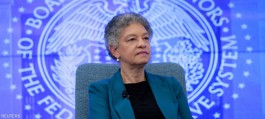







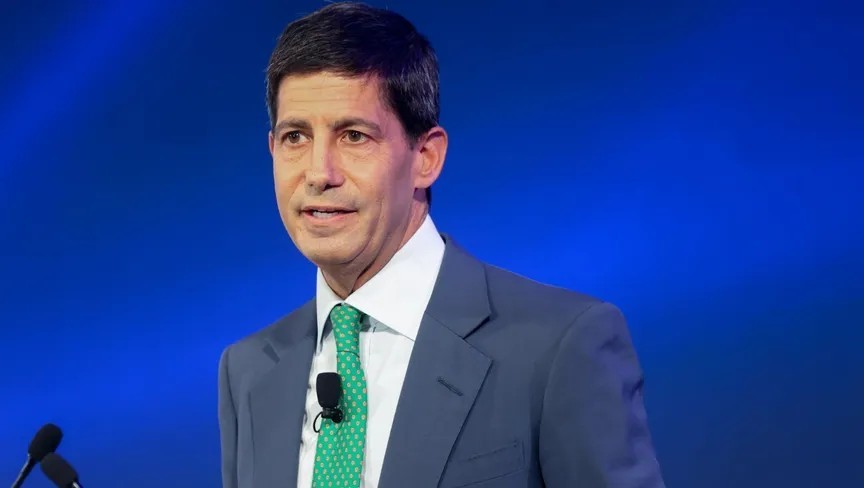


With Kevin Warsh taking the helm at the Federal Reserve, bond investors are betting that he will prioritize the central bank's credibility in fighting inflation over President Donald Trump's push to lower interest rates.
After the Iran war triggered the biggest wave of inflation since 2023, traders are pricing in almost certain that the Federal Reserve will begin raising interest rates by December. This represents a sharp shift from just three months ago, when markets were betting on further cuts.
This shift reflects the impact of turmoil in the Middle East, the resilience of the U.S. economy, and the AI investment boom that is driving the stock market higher—factors that have fueled concerns that inflation may remain stuck above the Federal Reserve’s 2% target for some time.
Warsh faces a test of credibility and inflation
In a volatile trading week, yields on two-year Treasury notes, which are most sensitive to expectations of Federal Reserve policy, rose to as high as 4.14% on Friday, the highest level in more than a year and about 40 basis points above the top of the Fed's benchmark interest rate range.
The yield on 30-year Treasury bonds briefly touched 5.2% last week, a level not seen since 2007, before falling back to 5.06%.
Warsh takes the helm at a time when a growing number of Federal Reserve officials are abandoning their push for monetary easing.
On Friday, Governor Christopher Waller, a Trump appointee who earlier this year called for lower interest rates to protect the labor market, said the Federal Reserve's next move was likely to be a rate hike.
A number of policymakers are scheduled to speak this week, including Vice President Philip Jefferson and New York Federal Reserve President John Williams.
Investors are betting on a calculated tightening of the economy.
As Warsh was sworn in on Friday, Trump, who has repeatedly pressured the Federal Reserve to lower borrowing costs, said he wants the new Fed chairman to lead the institution independently.
Some investors, including Chitrang Burani, a portfolio manager at Capital Group, are adopting a more optimistic view of short-term Treasury bonds as yields rise and interest rate hikes are priced in.
Burani said: “I do believe that the likelihood of raising interest rates remains reasonably high, because this Federal Reserve and Warsh may want to be a little patient before taking the next step, to fully understand how inflation is being transmitted to labor markets and financial conditions.”
He added: I personally do not believe that the Federal Reserve's reaction to economic data will be fundamentally different under Warsh than it has been in the past.
In addition to analyzing signals from Federal Reserve speakers, bond traders this week will also focus on two-year, five-year, and seven-year Treasury bond auctions, looking for clues about investor demand.