





























OPEC+ is expected to approve a further increase in oil production targets at its meeting on Sunday, with member countries likely to raise output by 188,000 barrels per day starting in August, according to Reuters, citing sources familiar with the discussions.
The anticipated increase follows a similar increase in production quotas implemented during June and July, as part of the group's efforts to gradually restore oil supplies after months of disruptions related to the conflict between Iran, Israel and the United States.
According to the same sources, the ministers reached a broad agreement on the proposed increase before the online meeting, although the final decision is still pending.
The seven key members of the OPEC+ group, which includes the Organization of the Petroleum Exporting Countries and its allies such as Russia, had already agreed to raise production quotas by approximately 800,000 barrels per day during the period from April to July.
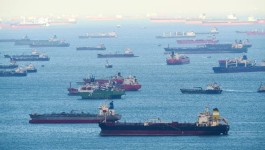
However, actual production fell short of those targets, as exports were severely disrupted by the closure of the Strait of Hormuz during the conflict, which hampered shipments from major producers, primarily Saudi Arabia, Iraq, Kuwait and the United Arab Emirates.
Production has begun to recover following the reopening of this vital shipping lane and the conclusion of a ceasefire agreement last month, but production levels remain below what they were before the outbreak of the conflict, according to OPEC data.
Oil prices have also fallen sharply from their peak during the conflict, as concerns about supply disruptions have subsided. Further pressure has been exerted by declining Chinese crude oil imports, increased production from suppliers outside the Middle East, and coordinated releases from strategic oil reserves by member countries of the International Energy Agency.
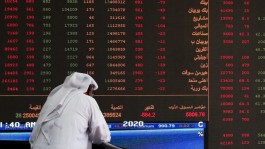
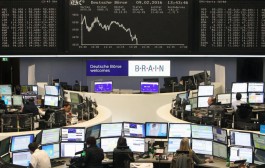
Brent crude finished trading on Friday near $72.00 a barrel, a significant drop from its peak of over $120.00 reached at the height of the conflict. Investors are now awaiting the OPEC+ decision on Sunday for further clues about the group's strategy in balancing supply restoration with slowing demand growth.