

























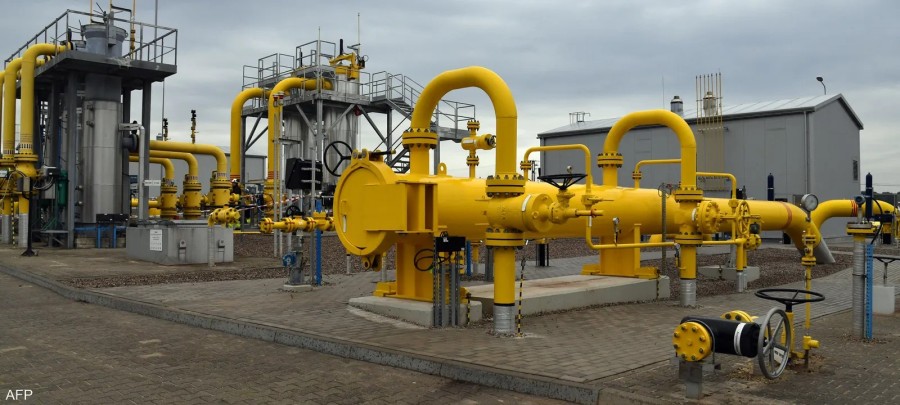


The European Council reached an agreement with the European Parliament on Wednesday to gradually phase out imports of Russian gas, leading to a complete ban by 2027, in a move that represents the latest tightening of European energy policies towards Moscow.
According to Reuters, the agreement includes a legally binding phase-out ban on Russian liquefied natural gas imports starting at the end of 2026, followed by a complete ban on gas supplies via pipelines in the fall of 2027. As of last October, Russia accounted for about 12% of European gas imports, down from 45% before 2022, with limited flows continuing to countries such as Hungary, France and Belgium, according to Reuters.
American pressure and a shift in supply balances
The agreement comes amid increasing US pressure on the European Union to accelerate its reduction of dependence on Russian gas and increase its imports of US liquefied natural gas (LNG). Washington and Brussels have been discussing plans for major energy deals in the coming years, with new LNG production facilities, particularly in the United States and Qatar, expected to come online soon, further increasing supplies available to the European market.
Conversely, global energy institutions anticipate that the global gas market will shift into surplus starting in the second half of next year. This surplus is likely to mitigate any risks of supply shortages once the European embargo on Russian gas takes effect.
The role of Russian gas has declined.
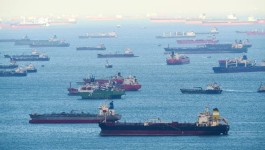
Europe's reliance on Russian gas began to decline significantly in 2022, following disruptions to major pipelines like Nord Stream and increased imports of liquefied natural gas (LNG) from alternative sources, primarily the United States, Qatar, and West African countries. The majority of remaining supplies came in the form of Russian LNG shipments, which countries like Spain and Belgium continued to receive over the past two years. While Russia has not disappeared entirely from the supply map, the new agreement paves the way for the first complete break in gas trade between the two sides in decades.