



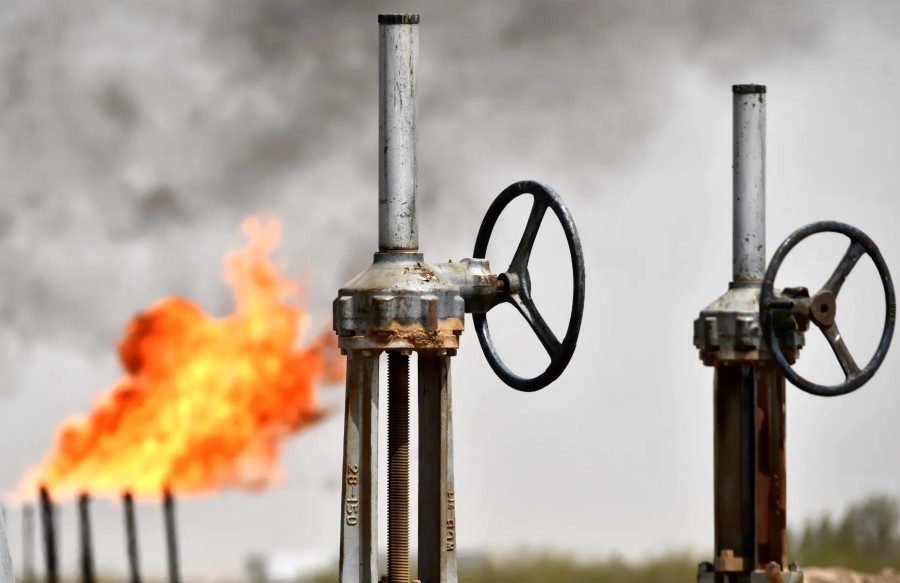

Natural gas prices in Europe jumped after Iran escalated its attacks on energy infrastructure in the Gulf, causing widespread damage to the world's largest liquefied natural gas export facility.
Benchmark contracts rose by 35% during Thursday's trading, after Qatar Energy's Ras Laffan facility suffered severe damage from a series of attacks that also caused large fires, the company confirmed.
The facility typically produces about one-fifth of the world's liquefied natural gas supply, and shipments had already stopped earlier in the month due to the war, but the latest strikes threaten to keep prices high for longer, delaying any quick return to normal.
Gas facilities in Habshan, Abu Dhabi, were also shut down after sustaining damage from shrapnel from an intercepted attack.
The full extent of the damage and the repair timeline remain unclear. While Asia accounts for the largest share of LNG exports from the Middle East, any prolonged disruption would reduce global supply, driving up prices across various markets.
These developments come at a sensitive time for Europe, which emerged from the winter with low stockpiles, forcing it to increase its gas purchases during the summer to replenish reserves, amid growing competition with Asia for available supplies.
Arne Laumann Rasmussen, senior analyst at Global Risk Management, said Qatari gas could remain out of service for months, and possibly years in the worst-case scenario, adding that the crisis would not end automatically even if the war stopped or the Strait of Hormuz was reopened.
In Amsterdam, Dutch contracts, which are the European benchmark, rose by 30.76% to reach 71.47 euros per megawatt-hour.