




















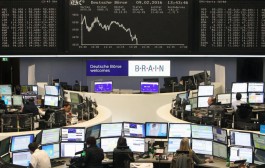
















Asian stocks jumped to their highest level in six weeks on Monday, while the dollar held near its lowest level in almost three months, amid expectations that the Federal Reserve will cut interest rates next year, which also triggered a sharp rally in precious metals prices.
Silver climbed above $80 an ounce for the first time before falling sharply in volatile trading, while platinum and palladium retreated after hitting record highs. Gold slipped nearly 1% but continued to surpass record levels this year, driven by a weaker dollar, increased demand for safe-haven assets, and expectations of interest rate cuts.
Sharwa Chanana, chief investment strategist at Saxo Group, said precious metals have risen this year as a result of a strong combination of support from lower interest rates and hedging against geopolitical and financial risks.
She told Reuters: “With the addition of supply concerns, the rally has taken on a very rapid form. But the sharp rise seen in the market at the end of the year, particularly in silver prices, increases the risk of greater volatility. In the near term, the risk lies in technical factors and investment positions.”
Chanana added that the overall picture for precious metals remains structurally supportive, with expectations of lower interest rates, continued geopolitical and financial uncertainty, and strong demand for diversification. This means that any pullbacks could be seen as opportunities for long-term investors to rebuild their portfolios.
Geopolitics returned to the forefront of investors' concerns after US President Donald Trump stated on Sunday that he and Ukrainian President Volodymyr Zelensky were very close, perhaps very near to reaching an agreement to end the war in Ukraine, although no agreement has yet been reached.
Strong stock performance at year-end
The broader MSCI Asia-Pacific index rose 0.27% to its highest level since October 3, making a strong start to the final week of the year. The index posted year-to-date gains of over 25%, boosted by technology stocks and growing interest in artificial intelligence.
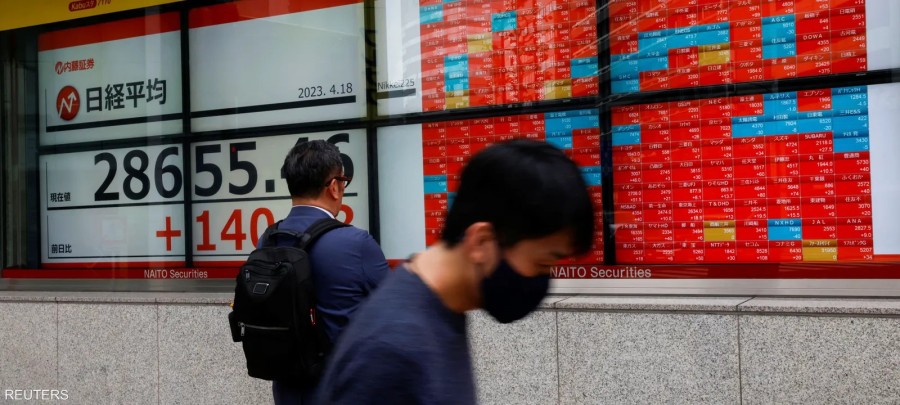
South Korea's Kospi index climbed 1.5% to its highest level in two months, posting an impressive 74% year-to-date gain, on track for its strongest annual increase since 1999. In contrast, Japan's Nikkei index fell 0.4%, while Taiwanese stocks rose 0.3% to a record high.
Investors' attention this week is focused on the minutes of the Federal Reserve's latest meeting, due to be released on Tuesday, after the US central bank cut interest rates and predicted one more cut for next year, while markets are betting on at least two cuts.
Tony Sycamore, a market analyst at IG, noted that markets will be looking for deeper insights into the committee's deliberations on the balance of risks and the timing of monetary policy easing, with the focus then shifting to expected labor market data in the new year, including non-farm payrolls data, which could increase the likelihood of the Fed cutting interest rates by 25 basis points at its January meeting.
The Japanese yen finds some support after central bank data
The Japanese yen rose 0.2% to 156.13 against the US dollar after the release of the summary of opinions from the Bank of Japan's December monetary policy meeting, which showed that many board members saw a need for further interest rate hikes.
The Bank of Japan raised interest rates this month as expected, but subsequent comments suggested there was no rush for further increases, weighing on the yen and raising concerns about intervention after Tokyo authorities issued strong warnings last week. Nevertheless, the yen remains near its ten-month low of 157.9 against the US dollar, reached in November, with the risk of intervention persisting as investors reduce their long yen positions.
Expectations of a Federal Reserve interest rate cut next year continue to weigh on the dollar, amid concerns that a new Fed chair might be more dovish and willing to lower rates. The dollar index, which measures the greenback against six major currencies, fell 0.08% to 97.953, marking a year-to-date decline of 9.7%, its largest drop since 2017.