





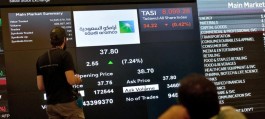

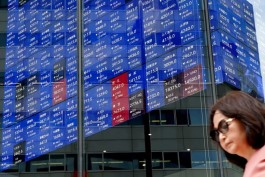








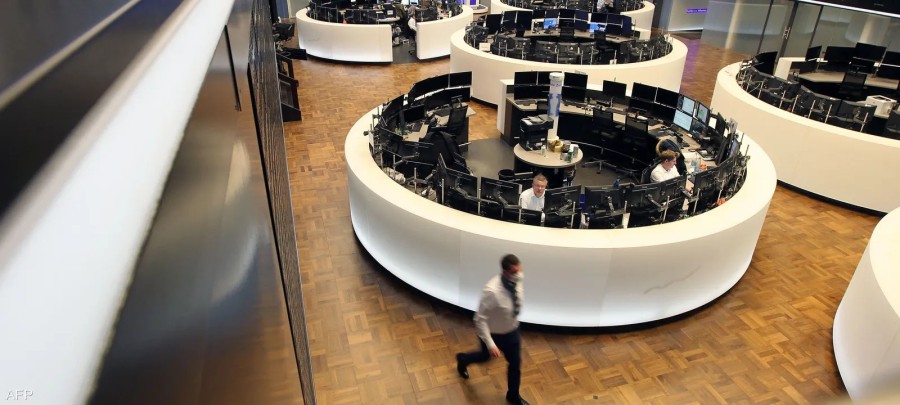


European stocks fell at the start of the week's trading session, as a new round of tit-for-tat strikes between the United States and Iran cast a shadow over hopes of reaching an agreement to end the more than three-month-long war.
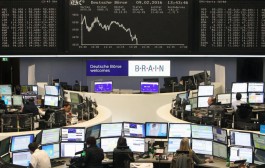
By 10:11 a.m., the pan-European STOXX 600 index was down 0.2%, while Germany’s DAX and France’s CAC 40 remained virtually unchanged, and Britain’s FTSE 100 was down 0.3%.
Eurozone government bond yields also rose, reflecting expectations that the European Central Bank may resort to raising interest rates in response to fears of an inflationary wave driven by the energy crisis in the single currency area.
The yield on Germany's two-year bond, a particularly sensitive indicator of interest rate expectations, rose by 5 basis points to 2.585%. The yield on Germany's 10-year bond, used as a benchmark for the wider eurozone, also advanced by 4 basis points to 2.9757%. It's worth noting that yields typically move inversely to bond prices.
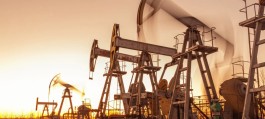
In contrast, Brent crude futures, the global benchmark for oil, jumped 3.1% to $93.96 a barrel. While Brent remained below its recent peaks above $100 in recent days, it continued to trade at levels significantly higher than before the war, fueling persistent concerns about inflationary pressures.
The Associated Press reported that the US military launched airstrikes against radar sites and drone control centers inside Iran in retaliation for Tehran's downing of a US drone over the weekend. Iran confirmed it had launched a further retaliatory strike, while Kuwait announced it had intercepted drones and missiles, the agency added.
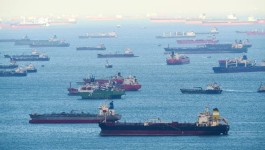
Investors are cautiously awaiting diplomatic efforts to end hostilities in the Middle East, which erupted following a joint US-Israeli attack on Iran in late February. Traders are particularly keen on an agreement to reopen the Strait of Hormuz, the vital waterway off Iran's southern coast, which has been virtually closed to oil tankers for most of the conflict, negatively impacting global oil and natural gas flows.
US President Donald Trump had confirmed that Iran was seeking an agreement, as negotiations continued between the two sides on key points of contention, particularly Tehran’s nuclear ambitions.