






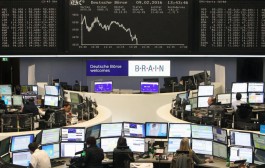








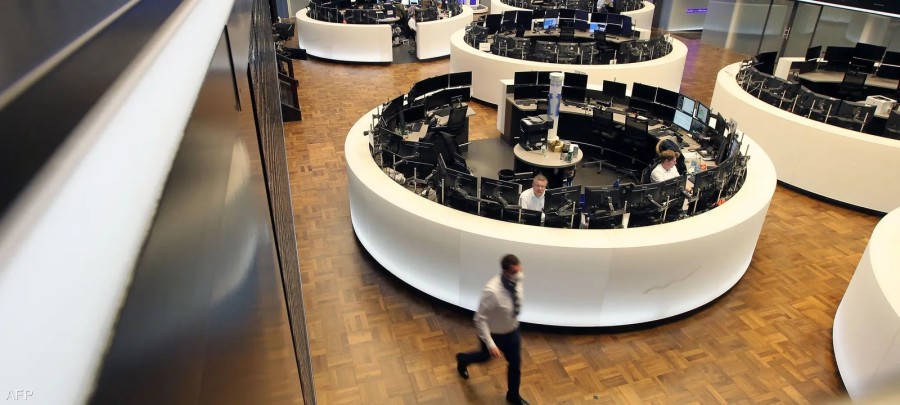


European stocks opened lower on Monday, as investors assessed U.S. President Donald Trump's ultimatum to Iran to reopen the Strait of Hormuz.
By 11:00 (Saudi time), the European Stoxx 600 index had fallen by 1.3%, the German DAX index had declined by 2.0%, the French CAC 40 index had dropped by 1.6%, and the British FTSE 100 index had fallen by 1.3%.
Stocks received a weak delivery from Asia, where equity markets declined. Many Asian countries rely heavily on imports from the Gulf, making them particularly vulnerable to shocks in the energy sector.
Thomas Matthews, head of Asia Pacific markets at Capital Economics, said: An escalation in the war remains bad news for asset markets.
As the joint US-Israeli attack on Iran enters its fourth week, a new wave of attacks on Tehran has led to power outages across the Iranian capital.
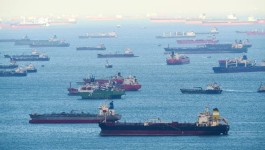
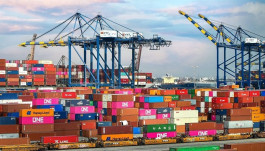
But much of the focus remains on the Strait of Hormuz, a vital waterway in southern Iran through which roughly a fifth of the world's oil supply passes. Ships have been effectively barred from transiting the strait for fear of being targeted by Iran, while container shipping companies struggle to find insurance for voyages.
Trump threatened to attack vital Iranian energy facilities if Tehran did not reopen the Strait of Hormuz by Monday night. However, Iran rejected this claim, stating that the strait would remain completely closed if any of its energy infrastructure were bombed.
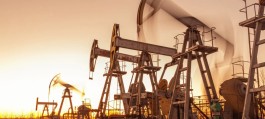
Brent crude futures, the global benchmark for oil, rose as markets continued to worry that the conflict would cause a prolonged closure of the strait, affecting supplies from the Arabian Gulf, a vital production region.
Brent crude was recently trading up 2.9% at $109.52 a barrel, after settling at $112.19 a barrel on Friday. Before the start of the war in Iran, Brent crude was trading at around $70 a barrel.
Europe, in particular, is also a major importer of natural gas from the Gulf, specifically Qatar. A major natural gas production plant in the country was recently targeted by airstrikes as part of Iranian attacks on sites across the Middle East, leading to a sharp rise in natural gas prices in Europe.
Last week, the European Central Bank warned that a prolonged conflict could reignite inflationary pressures that had almost subsided before the war broke out in late February. The ECB stated that policymakers are now prepared to adjust interest rates as needed, supporting some speculation that officials may consider raising borrowing costs in the coming months.