

















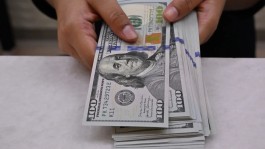





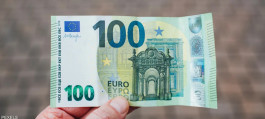

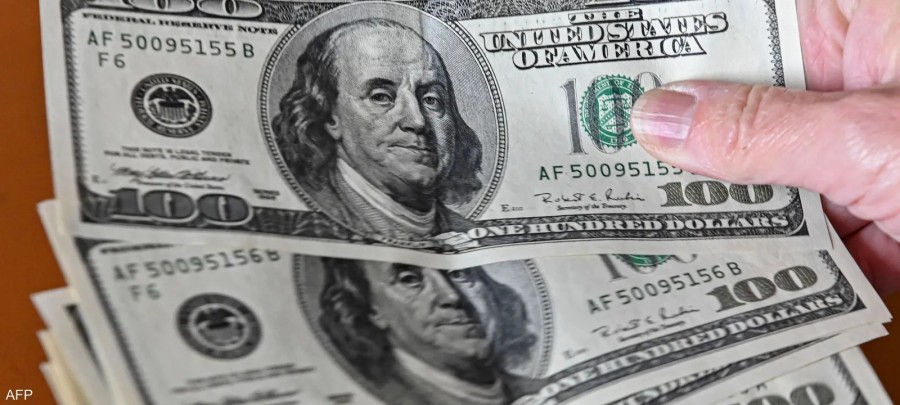


The dollar recovered on Tuesday from losses earlier in the week after US President Donald Trump announced a five-day delay in bombing Iran's power grid, a move that eased fears of a prolonged escalation in the Middle East.
The recovery came despite conflicting statements, as Trump referred to good and constructive talks with Iran, while Tehran denied conducting any direct negotiations, keeping markets on edge.
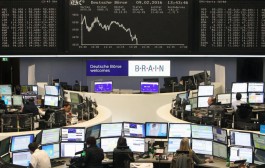
The dollar index rose by about 0.2 percent to 99.35, after having fallen to its lowest level in two weeks during yesterday's session.
In contrast, the euro fell 0.2 percent to $1.1593, and the pound sterling dropped 0.5 percent to $1.33925, after earlier gains.
The Australian dollar also fell 0.2 percent to $0.6993, and the New Zealand dollar declined 0.23 percent to $0.5845.
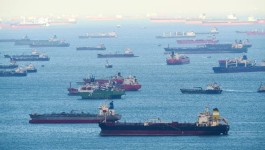
Despite the relative calm, markets are still factoring in the disruption of energy flows through the Strait of Hormuz, through which about 20 percent of the world’s oil and liquefied natural gas supplies pass.
Traders believe that volatility may continue, given the uncertainty surrounding the escalation and the markets' reluctance to consider this lull as a genuine start to negotiations.