












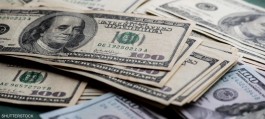









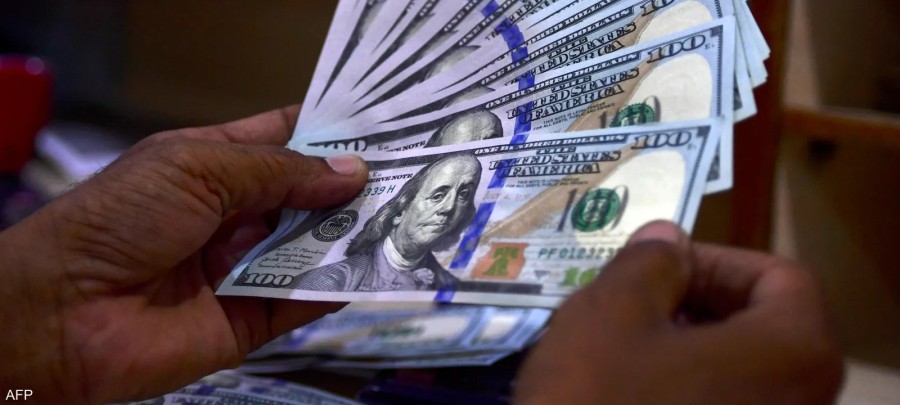


The dollar surged after the US strikes on Iran, in a move that reaffirmed its status as a global safe haven in times of crisis, after months of questioning its ability to fulfill that role.
The dollar index rose nearly 1% on Monday, its best daily performance in seven months, before settling at 98.49 on Tuesday morning. The index measures the performance of the US currency against a basket of major currencies.
Return to the historical pattern
In an analysis by Reuters, analysts believe the latest move reflects the dollar's return to its traditional behavior during periods of geopolitical tension, amid escalating risks in the Middle East.
Scotiabank foreign exchange analyst Eric Theoret said the last session was an ideal day to avoid risks from the perspective of the US dollar, noting that what is known as “Liberation Day” in April 2025 — when sweeping US tariffs were announced — was an exception to the norm, as the dollar did not benefit from the global sell-off at that time.
Why didn't the dollar rise last year?
During last year's market turmoil, the dollar failed to attract safe-haven flows because the source of the shock was internal, from the United States itself, as a result of tariffs that triggered a widespread sell-off.
Benjamin Ford, a researcher at Macrohive, said that the shock weakened the dollar's centrality and prompted investors to favor other markets, before the recent oil shock repositioned them in the US currency.
John Felice, a macroeconomics analyst for the Americas at BNY, explained that the dollar's appeal is damaged when risks originate from within the United States, but it remains strong when linked to an international geopolitical crisis.
Treasury bonds support the currency
Another supporting factor is the resilience of the US bond markets. When risks escalate, investors turn to Treasury bonds, which boosts demand for the dollar.
Don Calcani, chief investment officer at Mercer Advisors, said the lack of genuine alternatives makes it difficult for investors to move away from the dollar during times of extreme volatility.
The debate is not yet settled.
However, not everyone agrees that the dollar's safe-haven status has fully returned. Jane Foley, head of foreign exchange strategy at Rabobank, said that recent market movements partially reassure the public that the dollar retains its safe-haven characteristics, but noted that the debate over this status is far from over.
Aaron Hurd, a senior portfolio manager at State Street, also expressed doubts about the dollar's performance in the event of a global economic shock unrelated to energy or liquidity, especially given the high fiscal deficit and volatile US policies.
Oil is key to the next trend.
In the near term, some analysts link the dollar's trajectory to oil prices. If crude prices continue to rise and global risk appetite declines, the dollar may continue to attract inflows.
If oil prices decline, other traditional safe havens, such as the Swiss franc and the Japanese yen, may come back into the spotlight.