




















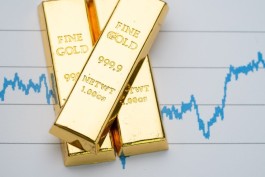













Gold and silver prices fell on the last trading day of 2025, although they remained on track to record their biggest annual gains in nearly half a century, as an exceptional year for the precious metals came to a close.
Gold prices settled near $4,320 an ounce in spot trading, while silver slipped towards $71. Both metals experienced sharp swings in thin trading following the year-end holiday, falling heavily on Monday before recovering on Tuesday, only to decline again on Wednesday. These volatile movements prompted the CME Group, which operates the exchanges, to raise margin requirements twice.
The golden year for precious metals
The two metals are on track for their best annual performance since 1979, buoyed by strong demand for safe-haven assets amid escalating geopolitical risks and interest rate cuts by the US Federal Reserve. Erosion trading, driven by inflation fears and mounting debt burdens in developed economies, has also contributed to the remarkable rally.
In the gold market, which is by far the largest, these factors have driven investors to flock to gold-backed exchange-traded funds, while central banks have continued a buying spree that has lasted for years.
A fertile environment for the rise of gold and silver
The price of gold has risen by about 63% this year. In September, it surpassed its inflation-adjusted peak of 45 years ago, when pressure from the US dollar, rising inflation, and signs of an impending recession drove prices to $850 an ounce. This time, prices broke through the $4,000 mark in early October.
John Read, a veteran market expert and chief strategist at the World Gold Council, said: “This has never happened before in my entire career. This is unprecedented in terms of the number of new record highs, and unprecedented in that gold has outperformed so many people’s expectations to this extent.”
After the record jump in gold and silver prices, will the momentum continue in 2026?
Silver has gained over 140% this year, driven by speculation and industrial demand. The metal is widely used in electronics, solar panels, and electric vehicles. In October, silver surged to a record high amid concerns about tariffs that drove imports to the United States, tightening the London market and triggering a historic sell-off.
Silver then surpassed that peak the following month, fueled by US interest rate cuts and heightened speculative enthusiasm. The rally peaked above $80 earlier this week, driven in part by increased buying in China.
Why have gold and silver prices fallen?
The recent move reversed quickly, and the market closed down 9% on Monday before fluctuating over the next two days. In response to the sharp volatility, the CME Group again raised margin requirements on precious metals contracts, meaning traders must deposit more cash to maintain their existing positions. Some speculators may be forced to reduce or exit their trades, putting downward pressure on prices.
Ross Norman, CEO of pricing and analysis site Metals Daily, said: The main reason behind today's movements is the CME raising margins for the second time in just a few days. He added that higher collateral requirements are helping to calm the markets.
What about platinum and palladium?
The wave of optimism surrounding gold and silver extended to all precious metals in 2025, as platinum broke out of a years-long period of stability to record a new peak.
The metal is on track to record a third consecutive annual deficit, following disruptions in South Africa (a major producer of the metal), and supplies are likely to remain tight until there is clarity on whether the administration of US President Donald Trump will impose tariffs.
Prices for silver, platinum and palladium all fell on Wednesday, although there were no signs of waning enthusiasm.
Sharu Chanana, chief market strategist at Saxo Markets in Singapore, said: “The surprise of the year has been how safe-haven metals have turned into high-momentum trades, particularly silver.”
Silver fell 7.1% to $70.83 an ounce by 3:20 p.m. New York time. Gold declined 0.5% to $4,317.41 an ounce, while the Bloomberg Dollar Spot Index showed little change.