














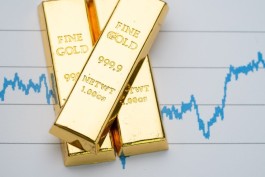







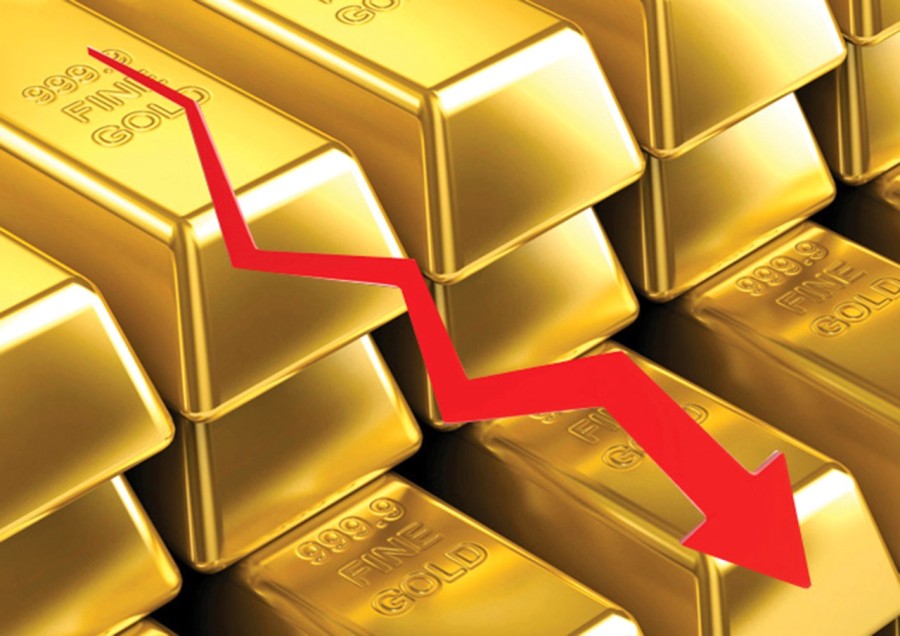


Gold prices continued their losses during trading on Monday, as investors grew increasingly concerned about the possibility of a US interest rate hike following strong US jobs data, while renewed military tensions in the Middle East pushed up oil prices and heightened inflation concerns.
Markets are betting on a tightening of the Federal Reserve.
Kelvin Wong, senior market analyst at OANDA, said the current pressure on gold is mainly due to increasing market bets that the Federal Reserve will adopt a more hawkish stance on monetary policy.
He explained that investors have begun pricing in higher probabilities of interest rate hikes, which has been directly reflected in expectations for US interest rate futures.
He added that rising US Treasury yields have increased the pressure on gold in recent days.
The yield on 10-year US Treasury bonds rose after hitting a two-week high in the previous session, increasing the opportunity cost of holding gold, which does not yield returns for its holders.
Geopolitical tensions are driving oil prices higher.
On the geopolitical front, Israel announced that it carried out strikes targeting military sites in western and central Iran on Monday.
These developments came despite reports indicating that US President Donald Trump had asked Israeli Prime Minister Benjamin Netanyahu to refrain from carrying out further military attacks.
The renewed military escalation led to a rise in oil prices of more than $3 per barrel.
This sharp rise in energy prices has raised new concerns about accelerating global inflation, which has reinforced expectations that interest rates will remain high for a longer period.
Jobs data reinforces the scenario of an interest rate hike.
Economic data showed that the US economy recorded strong job growth for the third consecutive month in May.
These results confirmed that the US labor market has regained momentum after a period of relative weakness over the past year.
This data also gave monetary policymakers more room to keep interest rates high in the face of increasing inflationary pressures resulting from the war with Iran and rising energy prices.
According to data from the Interest Rate Outlook Tracker available on Investing Saudi Arabia, markets are pricing in a 72% probability of the Federal Reserve raising interest rates before the end of the year, with expectations focused on the upcoming December meeting.
Federal Reserve officials warn
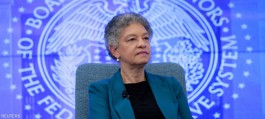
Beth Hammack, president of the Federal Reserve Bank of Cleveland, said on Friday that the latest jobs data suggests the U.S. labor market remains balanced and is approaching full employment levels.
She added that continued high inflation rates could prompt the US Federal Reserve to take the step of raising interest rates sooner than expected in order to contain price pressures.
These statements reinforce concerns within the markets that US monetary policy will shift towards greater tightening in the coming months.
Gold now
The spot price of gold fell by 1% to $4,287.66 per ounce.
This decline came after sharp losses of about 3% during last Friday's session, bringing the precious metal to its lowest level since March 24.
US gold futures for August delivery also fell by 1.2% to $4,311 an ounce.
Widespread losses in precious metals
The pressure was not limited to gold alone, but extended to the rest of the precious metals.
Spot silver prices fell 2.2% to $66.33 an ounce.
Platinum also fell by 2.1% to $1,739.78 an ounce.
Palladium fell 1.5% to $1,207.50 an ounce.