








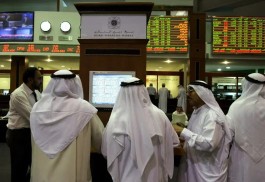



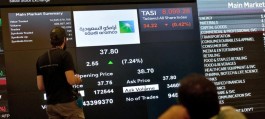


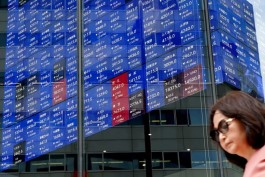


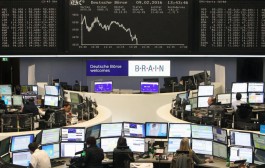













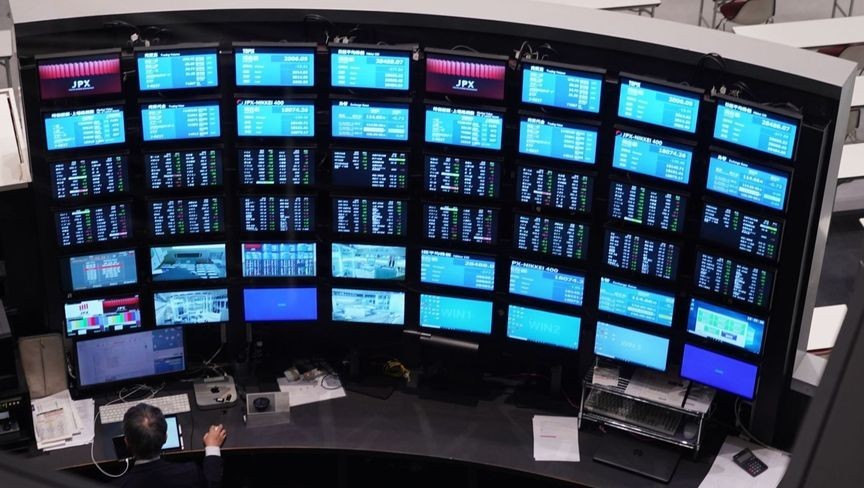


Asian stocks rose after gains in U.S. stocks on Friday boosted bets on a strong rally by year-end.
The MSCI Asia Pacific Index jumped 1%, with the technology sector leading the gains. US stock futures also rose in Asian trading.
Gold and silver hit record highs, while oil also rose amid escalating geopolitical tensions after US President Donald Trump tightened his blockade on Venezuela.
In Japan, bond yields rose to multi-year highs following last week's interest rate hike, while the yen strengthened against the dollar after the country's top currency official issued a warning about recent market movements.
Hopes grew for a year-end rally in stocks after bargain hunters late last week helped U.S. stocks recover from a slump fueled by doubts about the enthusiasm for artificial intelligence and the limits of potential easing by the Federal Reserve.
The S&P 500 rose 0.9% on Friday for the second day in a row, erasing the week's losses, as trading volumes increased during the expiration of quarterly options and futures contracts, and as traders positioned themselves for a rally that could extend into 2026.
Tony Sycamore, an analyst at IG in Sydney, said: We are now likely to see markets continue to rise. The biggest challenge remains the valuation of artificial intelligence and the market's trajectory going forward.
Gold, silver and oil prices rise
Precious metal prices rose, driven by their safe-haven appeal amid geopolitical tensions and expectations of further interest rate cuts by the Federal Reserve. Loose monetary policy is a contributing factor for gold and silver, which do not pay interest.
The spot price of gold rose by more than 1%, surpassing the previous record of $4,381 an ounce set in October. Silver also climbed to a record high, and platinum posted gains for the eighth consecutive session.
Brent crude rose towards $61 a barrel after US forces boarded one oil tanker and pursued another near Venezuela, weeks after the first such seizure of a vessel.
Japan in the spotlight as Asian markets continue to rise
Japanese markets remained under intense scrutiny after the central bank raised its benchmark interest rate to a 30-year high on Friday. Bank of Japan Governor Kazuo Ueda opted to keep his options open rather than support the yen, settling for a cautious rate hike that allowed the currency to slide toward levels that had previously prompted intervention.
The yen, which had fallen to 157.78 against the dollar, saw some improvement on Monday after Atsushi Mimura, Japan's top currency official, said he was very concerned about what he called one-sided and sudden movements, particularly after last week's monetary policy meeting. We would like to take appropriate responses to excessive movements, Mimura told reporters.
Meanwhile, the yield on Japan's 10-year bonds rose by 7.5 basis points to 2.095%, a level not seen since February 1999. The yield on two-year bonds, which is more sensitive to expectations of monetary policy, also climbed to its highest level since 1997.
Keisuke Tsuruta, senior fixed income strategist at Mitsubishi UFJ Morgan Stanley Securities, said: The sharp decline in the value of the yen is seen as a driver of higher yields, as it has fueled speculation that the next interest rate hike could be brought forward.
He added that yields are expected to remain high given market conditions following the Bank of Japan meeting and ongoing financial concerns.
Expectations that China will move towards easing monetary policy.
Separately, Chinese commercial banks kept their benchmark interest rates for one-year and five-year loans unchanged on Monday, amid growing expectations that the People's Bank of China will ease monetary policy next year.
Stocks in China also rose amid a broader rally in Asia. Over the weekend, Republican lawmakers on the House committee on China asked the Department of Defense to add more than a dozen companies to its list of military contractors.
Asian stocks rose on Monday after the regional index lost 1.9% last week, ending a three-week winning streak. A sub-index of regional technology stocks climbed 2.1% in early trading, following a 3% jump in the Philadelphia Semiconductor Index on Friday.
On the data front, growth readings for the UK and US are due this week, along with the Reserve Bank of Australia's December monetary policy meeting minutes, which may provide clues as to whether the bank will raise interest rates in February.
In Japan, Tokyo inflation data is expected to be released along with national jobs data, which may help traders assess the outlook for the Bank of Japan's policy.