



























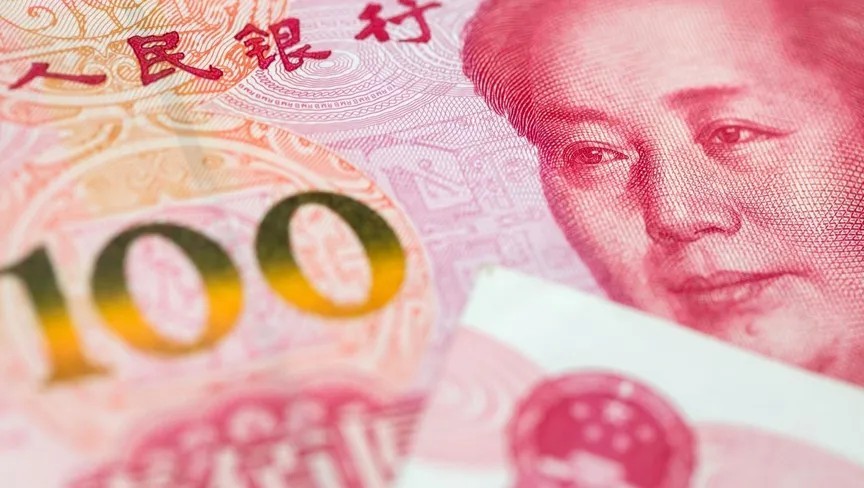


Chinese companies are bolstering their hedges through foreign exchange derivatives, pushing outstanding futures contracts to record highs, amid a surge in the yuan that threatens to erode the profits of exporters abroad.
Net outstanding futures contracts reached $107 billion at the end of February, the highest level since data collection began in 2010, according to data from the State Administration of Foreign Exchange.
This rise in hedging comes amid a turbulent foreign exchange market, improved relations between the US and China, widespread dollar weakness, and the strong exchange rate band control policy by the Chinese central bank, which has helped support the yuan in recent months.
The local currency has risen against the US dollar in all but one week since the end of November, and reached its strongest level since April 2023 late last month.
Exporters face risks of volatility
Fiona Lim, senior foreign exchange strategist at Malayan Banking Berhad in Singapore, said: The rise in currency futures may be due to the yuan's upward trend over the past few months and the strong performance of exports.
While the accumulation of hedges helps exporters stabilize exchange rates and protect against the strength of the yuan, it has also led to a sharp rise in the net dollar settlement positions of firms in the derivatives markets.
This leaves it vulnerable to potential losses upon revaluation if the dollar rebounds unexpectedly against the Chinese currency, amid global volatility fueled by the war in the Middle East.
New risks threaten export momentum
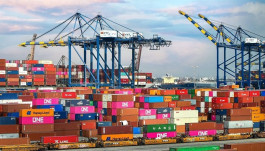
China's exports grew at a much faster pace than expected during the first two months of the year, putting shipments on a record track before US and Israeli strikes on Iran disrupted global trade.
But the escalating war, which threatens to weaken demand by raising inflation and slowing economic growth, poses new risks to the world's largest exporter.
Although there is room for the yuan to continue its upward trend, the war in Iran has introduced more volatility to the dollar-yuan exchange rate, which is likely to weaken expectations of a rise in the yuan, according to Lim.
She added: There is a possibility that export growth will begin to slow without export tax breaks. Consequently, this surge in foreign currency hedging may also begin to slow.