




























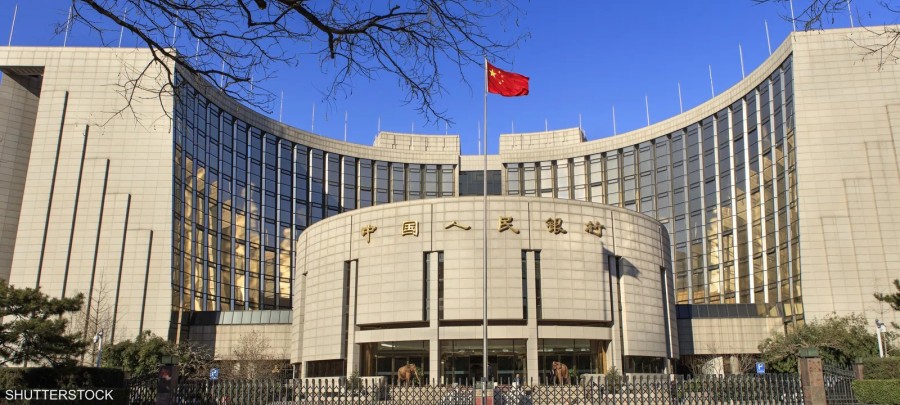


China's central bank kept its benchmark lending rates unchanged on Monday, despite weak economic data in the world's second-largest economy and a prolonged slump in the property sector.
The People's Bank of China kept its benchmark interest rate on one-year loans at 3% and on five-year loans at 3.5% for the seventh consecutive meeting, in line with a Reuters poll.
The one-year rate is used as a reference for pricing new loans, while the five-year rate is used as a benchmark for pricing mortgage loans.
The central bank's decision comes amid disappointing economic data released in November, including retail sales and industrial production falling short of expectations.
Retail sales rose 1.3% year-on-year in November, well below analysts' expectations of 2.8%, and slowed from 2.9% growth in October.
Industrial production growth also fell short of expectations, registering a 4.8% increase compared to the previous year, versus estimates of 5% growth, marking the weakest growth rate since August 2024.
The Chinese economy continues to suffer from a prolonged slump in the real estate sector, with investment in fixed assets, including real estate, falling by 2.6% during the period from January to November, compared to the previous year, a deeper decline than the expected drop of 2.3%.
New home prices continued their decline in November, a further indication of the ongoing weakness in the property sector. Prices fell 1.2% in major cities, including Beijing, Guangzhou, and Shenzhen, while resale prices dropped 5.8% year-on-year.
Commenting on the seven-month pause in monetary policy, Eswar Prasad, a professor of trade policy and economics at Cornell University, told CNBC that some stimulus may help, but added that monetary policy will not have much of an impact given the weakness of the private sector.
Prasad explained that “the slowdown in growth momentum will force the authorities to open channels of stimulus, both monetary and possibly fiscal as well, but this must be accompanied by broader reforms.”
Earlier this month, China’s Ministry of Finance announced plans to issue special ultra-term government bonds next year to finance major construction projects and new infrastructure projects.
Policymakers also pledged strong support for the implementation of special measures to boost consumption at a time when the country is facing deflationary pressures.
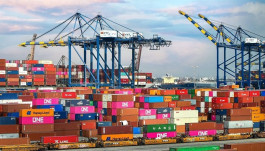
Conversely, a temporary trade agreement with the United States, which led to the suspension of high tariffs on Chinese exports, could help support the achievement of the economic growth target of around 5% in 2025, with improved prospects for exports to America.
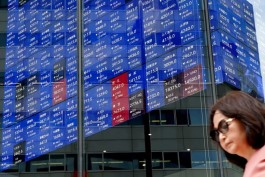
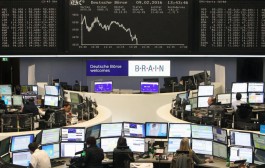
On the markets front, the CSI 300 index of Chinese stocks rose by 0.43%, while the yuan remained stable in the domestic market at 7.04 against the dollar, while the offshore yuan fell slightly to 7.03 against the US currency.