























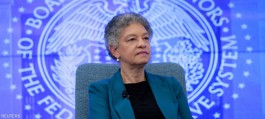










Tom Barkin, president of the Federal Reserve Bank of Richmond, warned that inflation rates in the United States remain above target levels, despite early signs that may indicate a possible easing of price pressures in the coming period.
In an exclusive interview on the sidelines of the Aspen Ideas Festival in Colorado on Sunday, Parkin said that current inflation levels are still too high, stressing that the path back to the Federal Reserve's 2% target still faces challenges.
His comments came days after data showed the personal consumption expenditures price index, the Federal Reserve's preferred measure of inflation, rose 4.1% year-on-year in May, its highest level since April 2023.
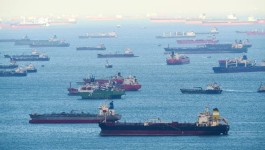
Parkin noted that the war between the United States and Iran contributed to raising the prices of oil and a number of commodities, but he explained that inflationary pressures are no longer limited to the energy sector, but have become more widespread in various sectors of the economy.
The Federal Reserve needs more evidence.
Parkin stressed that it is difficult to be certain that inflation will return to the 2% level without additional factors pushing prices down, whether through the continued impact of current interest rates, a slowdown in the labor market, or the emergence of other economic factors that contribute to curbing inflation.
He added that the rapid decline in fuel prices at the Richmond Federal Reserve Bank range, following the drop in oil prices after the recent ceasefire agreement between the United States and Iran, represents a positive development.
However, he noted that other factors are still driving inflation upwards, including massive spending on the creation and expansion of artificial intelligence infrastructure, stressing that assessing the appropriate course of monetary policy will depend on economic developments over the coming months.
Concerns that inflation will persist for a longer period
Federal Reserve officials kept interest rates unchanged at their most recent meeting this month, but a growing number of monetary policymakers are beginning to warn that interest rates may need to be raised again this year if inflationary pressures persist.
Parkin explained that some of his colleagues within the Federal Reserve are particularly concerned about the continued rise in service prices, given that inflation in this sector is usually more difficult to bring down than in other sectors.
He also noted concerns that if inflation remains above the Federal Reserve's target for more than five years, it will reinforce consumers' expectations of higher prices in the future, which could make the task of bringing inflation back to the target level more complicated.
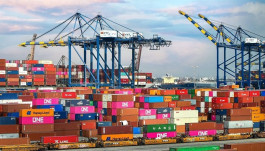
Parkin believes that the pressures resulting from tariffs and the shock of rising oil prices are likely to gradually subside, which may help to calm inflation in the coming period.
But he also pointed out that these two factors have not succeeded in weakening American consumer spending, which has remained strong over the past year, which may limit the speed at which inflation returns to the Federal Reserve's target, especially since the American economy is highly dependent on domestic consumption.
Companies are still operating in an inflationary environment.
Parkin also expressed concern about the way companies are dealing with the current inflationary environment, noting that many companies are taking current inflation rates into account when setting prices for their products, which could lead to price pressures continuing for a longer period.
He added that this supports maintaining a moderately restrictive monetary policy at the present time, as it is the most appropriate option to combat inflation.
He noted that companies are already facing rising production costs, but in turn, they are observing increasing resistance from consumers to price increases, which limits their ability to pass on the full increase in costs to customers.
During a recent visit to West Virginia, Parkin said that several company leaders told him they had not yet decided how much raises they would give employees in the coming year.
He explained that they had previously expected the need for larger wage increases with rising fuel prices, but the relative decline in gasoline prices recently may reduce the need for those increases, which in turn may alleviate some of the inflationary pressures in the future.