





































Oil prices fell following signs of progress in peace talks between Washington and Tehran, which appeared to have gotten off to a rocky start after US President Donald Trump issued a new threat against Iran.
Brent crude fell towards $79 a barrel, giving up earlier gains of up to 2.2%, while West Texas Intermediate crude was near $77.
The parties agreed on a roadmap to reach a final agreement within 60 days, and technical talks will continue for the rest of the week, according to a statement issued by Qatar and Pakistan, which are mediating the discussions in Switzerland.
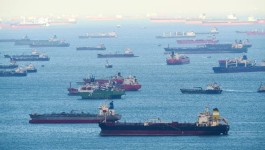
The high-level meeting follows a memorandum of understanding signed by the two sides last week, opening a 60-day window for talks, though the process is likely to be long and difficult. Despite Iran's claim that it had closed the Strait of Hormuz again after accusing Israel of violating a ceasefire in Lebanon, millions of barrels of oil continued to flow through the waterway over the weekend.
The negotiations got off to a shaky start when Iranian media reported that Tehran had halted talks following Trump's threat, but sources familiar with the matter said the negotiations continued into the early hours of Monday in Switzerland. The talks covered topics including mechanisms to ensure the Strait of Hormuz remains open and how to enforce a ceasefire between Israel and Hezbollah in southern Lebanon, according to a senior U.S. diplomat involved in the discussions.
Roadmap for an agreement within 60 days
The war in the Middle East has choked off supplies in a region responsible for a third of the world's oil production. Crude oil futures have fallen in recent weeks, although prices remain above pre-war levels, as global refiners have found temporary solutions and the prospect of an end to the conflict has fueled optimism for a swift return to normalcy.
A peace agreement would, in theory, unleash a massive influx of supplies at a time of currently low demand, particularly given the decline in purchases by China, the world's largest importer. Around 80 million barrels of crude oil are expected to flood the market suddenly if the Strait of Hormuz were to fully reopen, threatening to leave refineries overwhelmed.
Meanwhile, Gulf producers are preparing to increase output, with Kuwait lifting previous force majeure notices. Abu Dhabi National Oil Company (ADNOC) has informed customers that it will resume loading supplies from within the Gulf, while also selling spot crude in a series of tenders.
More than 11,000 Brent crude contracts traded across the price curve in the first 10 minutes of Monday's session, indicating a more active start than usual. The spot spread for the global benchmark also widened slightly, although it has narrowed considerably since early April.
In the latest trading, Brent crude futures for August settlement fell 1.6% to $79.30 a barrel by 12:30 pm Singapore time, while West Texas Intermediate crude futures for August delivery also declined 0.2% to $76.73 a barrel.