
































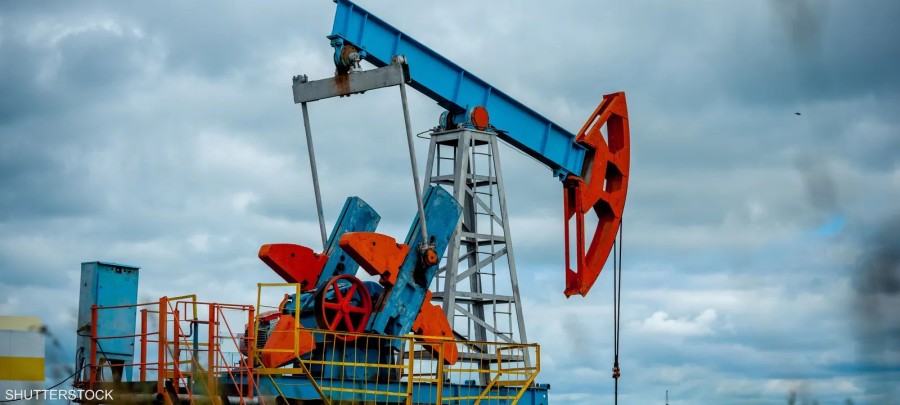


Oil prices jumped sharply after Iran and Israel exchanged military strikes, threatening the truce in the Middle East amid faltering efforts to end the war.
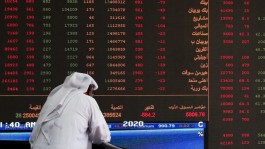
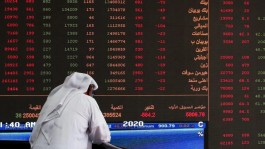
Brent crude rose as much as 5 percent to $97.75 a barrel, while West Texas Intermediate crude jumped about 4.6 percent to near $95 a barrel, according to Bloomberg News data.
Israel said it targeted military sites inside Iran in response to previous missile attacks by Tehran, despite US President Donald Trump's call for Israeli Prime Minister Benjamin Netanyahu to refrain from a military response.
In contrast, the semi-official Fars news agency, citing a statement from the Iranian Revolutionary Guard, reported that Tehran had carried out new attacks targeting key facilities at the Nevatim and Tel Nof air bases in Israel.
The statement explained that the strikes were in response to attacks that targeted several cities inside Iran earlier on Monday morning.
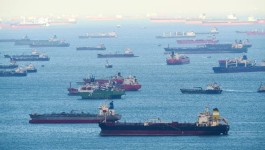
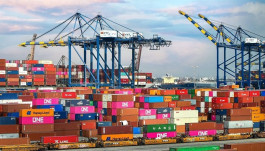
This escalation raises growing concerns about the stability of the region and the potential disruption of energy supplies, at a time when markets are watching for any signs of the widening confrontation between the two sides and its impact on global oil traffic.
With global energy supplies under threat, Iran maintaining a huge stockpile of highly enriched uranium, and Houthi rebels in Yemen apparently joining the fighting on Monday, the risks of a full-blown war breaking out again appear to be escalating.
Trump had previously told Fox News that he wanted the Iranians to stop launching missiles and return to the negotiating table.
He also said that the Israeli strikes in Lebanon earlier on Sunday were not coordinated with the United States and that he was not happy about it.
Speaking to the Financial Times before the Israeli strikes on Iran, Trump insisted that he was the one dictating terms to Netanyahu on how to conduct the war.
Trump told the newspaper in a telephone interview: He will have no choice. I make the decisions. I make all the decisions. He (Netanyahu) does not make the decisions.