





























Oil prices rose in Asian trading on Tuesday after jumping more than 7% in the previous session, as escalating conflict in the Middle East and threats to disrupt energy flows through the Strait of Hormuz continued to fuel supply concerns.
As of 05:36 (Saudi Arabia time), Brent crude futures expiring in May rose 2% to $79.2800 a barrel, while West Texas Intermediate crude futures advanced 1.5% to $72.3100 a barrel.
Both contracts jumped more than 7% to their highest levels in a year on Monday following the joint US-Israeli strike on Friday that killed Iranian Supreme Leader Ayatollah Ali Khamenei.
Fears of a closure of the Strait of Hormuz are supporting oil prices.
The unprecedented escalation has pushed the region into one of its most volatile periods in years and added a significant geopolitical risk premium to energy markets.
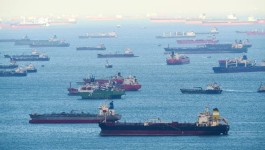
Tensions escalated after Tehran threatened a complete closure of the Strait of Hormuz, a vital waterway that handles nearly a fifth of the world's seaborne oil trade.
Iranian officials have vowed to attack any vessel attempting to pass through the waterway, raising the prospect of disruption to crude oil flows from major Gulf producers including Saudi Arabia, Iraq and the United Arab Emirates.
The surge in oil prices has fueled fears that a prolonged conflict involving the United States, Israel, and Iran could destabilize the wider Gulf region and draw in additional actors, further threatening production and export infrastructure.
ING analysts said in a note: While there are concerns about oil flows through the Strait of Hormuz, the biggest risk to the market would be Iran targeting additional energy infrastructure in the region. This could lead to longer-term disruptions.
Analysts say the risk premium is largely priced in.
Despite the dramatic headlines, markets appeared fairly stable on Tuesday, as investors cautiously assessed the likelihood and duration of any actual supply shutdown.
ING analysts wrote: Oil price movements have been fairly modest, given the amount of supply at risk and the uncertainty about how long the disruptions could last.
They added that oil markets had already priced in a large geopolitical risk premium before the attacks and appeared to be anticipating only a short-term disruption to flows through the Strait of Hormuz, which the expected surplus in supply this year should be able to absorb.
However, oil remains highly sensitive to further developments, and volatility is expected to continue as the market assesses new geopolitical risks.