
















China’s domestic bond market is experiencing rapid growth, supported by ample liquidity and relative currency stability, making it an attractive source of financing for developing countries, according to the BRICS New Development Bank.
Zhongxia Jin, the bank’s general manager of treasury and portfolio management, explained that lower borrowing costs have made the Chinese market one of the most efficient sources of financing globally, stressing that this market is no longer just a low-cost option, but is becoming a key pillar in the future of global financing in local currencies.
He pointed out that yuan-denominated financing provides a natural hedging mechanism for projects that rely on local currencies, especially in countries of the Global South such as India, Indonesia, and the Philippines, in addition to Brazil and other regions in Latin America, which makes it particularly suitable for green transformation projects.
The rise of the yuan as a global financial currency
This vision aligns with Beijing’s efforts to strengthen the yuan’s role as an international financing currency, reflecting the wide scope for growth in issuances and increased liquidity within the Chinese bond market for the benefit of foreign entities.
Jin emphasized that China’s bond market is no longer just an alternative asset class, but is gradually becoming one of the main pillars of the global financial system, based on lower financing costs and currency stability compared to many other currencies.
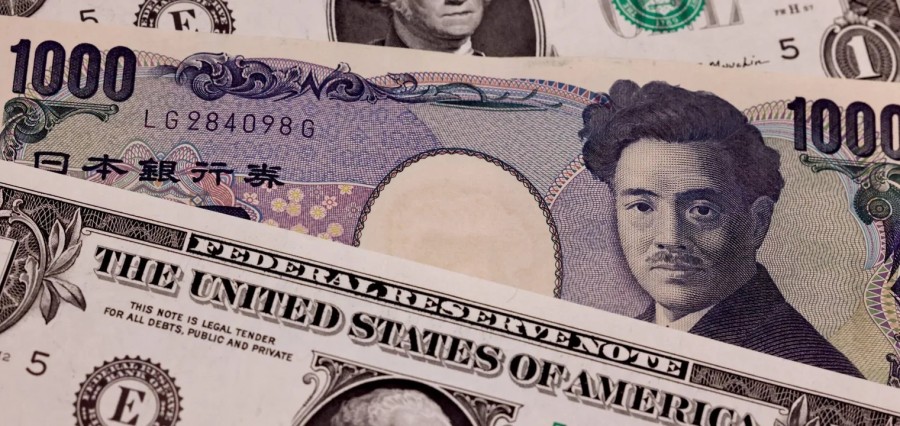
These shifts reflect the beginning of a structural change in the global financial balance of power, where the dollar is no longer the only option for financing, but the yuan has become a real competitor as its use expands across borders.
Expanding publications and consolidating financial influence
The New Development Bank demonstrated this shift in practice, issuing yuan-denominated bonds with a total value of 25 billion yuan, or about $3.6 billion, during the past year, its largest annual issuance since entering this market in 2016.
In its latest issuance, the bank also extended the maturity of its Panda bonds to 10 years for the first time, a move that reflects its pursuit of long-term financing and aims to boost confidence in the Chinese market.
The New Development Bank includes BRICS countries – Brazil, Russia, India, China and South Africa – as members, giving it institutional weight that promotes the spread of yuan-denominated finance globally.
Geopolitical shifts support the yuan
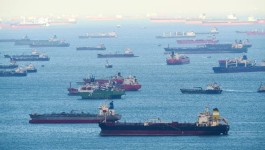
In a related context, developments in the Gulf region reflect how these financial shifts can extend to trade and energy, as the operator of an oil tanker stranded in the Arabian Gulf received an offer allowing it safe passage through the Strait of Hormuz under the escort of the Iranian navy, in exchange for changing the ship's registration and raising the Pakistani flag.
Although the company was unable to accept the offer, this move reflects attempts to reshape the rules of navigation and trade in the region, amid escalating geopolitical tensions.
Iran also agreed to allow 20 Pakistani ships to pass through the strait, at a time when Islamabad began contacting major global commodity traders to find ships that could sail temporarily under the Pakistani flag to facilitate passage.
The yuan enters the heart of the energy trade
These arrangements show that the Iranian Revolutionary Guard has gained significant control over shipping traffic in the Strait of Hormuz, through which about 20% of the world’s oil and liquefied gas supplies pass, where fees are imposed on ships and privileges are granted to countries deemed friendly.
According to Bloomberg sources in the shipping sector, transit fees are negotiated according to a country classification system, with better terms granted to allied countries, while ships from other countries may face direct threats.
Most importantly, these fees are often paid in yuan or stablecoins, reflecting a gradual shift in energy trading pricing away from the dollar and giving the Chinese currency an increasing role in this vital sector.
A new system is reshaping global trade.
Information indicates that ships wishing to cross are required to contact an intermediary company linked to the Revolutionary Guard, and provide detailed data including ownership, flag, cargo, destination, and crew, in addition to electronic tracking data.
This data is then examined to ensure that the ship is not linked to countries that Iran considers hostile, before negotiations begin on transit fees, which in the case of oil tankers can reach about $1 per barrel.
After paying the fees, the ship receives a passage permit and a designated route, and may be required to fly the flag of the country that arranged the passage or even change its registration, before being escorted through the strait in a route that has become known within the industry as the Iranian collection point.
Although ship-tracking data indicates a slight improvement in transit traffic over the past week, it remains well below pre-war levels, reflecting continued turmoil and highlighting deeper shifts that could redraw the map of the global financial system, with the yuan emerging as one of the biggest beneficiaries at the expense of the dollar's dominance.