




























The euro fell in the European market on Thursday against a basket of global currencies, resuming its losses that had paused temporarily the previous day against the US dollar, heading towards its lowest level in four months, due to the global energy price crisis amid the repercussions of the Iranian war, which is expected to negatively affect economic activities in Europe.
This crisis is likely to lead to higher prices and faster inflation in the Eurozone, putting monetary policymakers at the European Central Bank under increasing inflationary pressure.
This comes at a time when the European economy may need more monetary support to curb the slowdown in economic activity, creating a complex equation between containing inflation and supporting growth.
Price overview
Euro exchange rate today: The euro fell against the dollar by 0.25% to ($1.1605), from today’s opening price of ($1.1633), and recorded a high of ($1.1647).
The euro ended Wednesday's trading session up 0.2% against the dollar, its first daily gain in the last three days, as it recovered from a four-month low of $1.1530.
US dollar
The dollar index rose 0.25% on Thursday, resuming gains that had paused in the previous session, and moving closer to four-month highs again, reflecting the renewed rise in the US currency against a basket of major and minor currencies.
This rise comes as investors continue to focus on buying the dollar as the best alternative investment, amid growing fears of a wider war in the Middle East, which will negatively affect international trade and the global economy.
Markets are awaiting the release of the monthly US jobs report on Friday, which is expected to provide strong and decisive clues about the Federal Reserve's interest rate path during the first half of this year.
Global energy prices
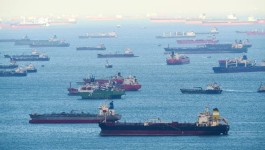
Global oil and gas prices jumped due to the fallout from the US-Israeli war on Iran, which disrupted energy exports from the Middle East, as Tehran's attacks on ships and energy facilities led to the closure of navigation in the Gulf and the halt of production from Qatar to Iraq.
Brent crude oil prices rose by more than 16% this week, hitting a 20-month high of $85.07 a barrel. European gas prices have risen by 70% since the end of last week.
Opinions and analyses
Wells Fargo analysts said in a note: The euro faces a difficult situation. Europe's natural gas storage season is about to begin, and the EU is preparing to start the season with record low gas levels in storage, meaning it will need to buy a large amount of energy now with the potential for prices to rise significantly.
George Saravelos, head of global foreign exchange market research at Deutsche Bank, said that the impact of the Iranian war on the euro/dollar pair revolves around one factor: energy.
Saravelos added: “There is a negative supply-side shock currently taking shape, which amounts to a direct tax on Europeans that must be paid to foreign producers in US dollars.”
Analysts from ING Bank wrote in a research report: “Suddenly, the European Central Bank’s position is in doubt, and we doubt that this issue can be resolved in the very near term.”
The analysts added that the possibility of the European Central Bank raising interest rates poses a serious risk to speculation on interest rate spreads and could lead to a significant widening of the spreads on Eurozone government bonds.