



















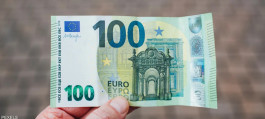


The euro fell in the European market on Tuesday against a basket of global currencies, giving up its highest level in two weeks against the US dollar, amid profit-taking and corrective activity, with renewed buying of the US currency as the best alternative investment, especially after the United States and Israel launched airstrikes on energy infrastructure in Iran.
Targeting Iranian power plants radically complicates the diplomatic landscape, as observers believe these strikes undermine already fragile bridges of trust and make it difficult for Tehran to sit at the negotiating table under direct military pressure.
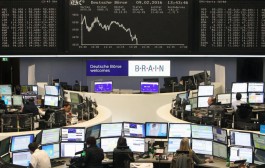
In order to assess the impact of the Iranian war and rising energy prices on economic activities in Europe, markets are awaiting the release of important data on key industrial and service sectors during March, at various times today.
Price overview
Euro exchange rate today: The euro fell against the dollar by 0.3% to ($1.1576), from today’s opening price of ($1.1612), and recorded a high of ($1.1618).
The euro ended Monday's trading session up 0.35% against the dollar, hitting a two-week high of $1.1640, after Donald Trump announced talks with Iran and postponed any military strikes on Iranian power plants for five days.
US dollar
The dollar index rose on Tuesday, beginning to recover from a two-week low, reflecting the renewed strength of the US currency against a basket of global currencies.
The index slipped to a two-week low on Monday after US President Donald Trump postponed bombing Iran's power grid, a move that eased fears of a protracted war in the Middle East.
Trump wrote on his Truth Social platform: “The United States and Iran had very good and productive talks about a complete and comprehensive solution to hostilities in the Middle East.”
Trump added: I have instructed the Department of Defense to postpone all military strikes against Iranian power plants and energy infrastructure for five days.
According to Iranian news agencies, Iranian officials denied holding any talks with the United States, with some describing the news as false and aimed only at calming the markets.
Contrary to expectations, the US and Israeli air forces launched an intensive attack on some power plants in Iran on Tuesday, which is expected to exacerbate military confrontations and prompt the Iranian Revolutionary Guard to launch a missile attack on power plants in Israel and the Arab Gulf states.
European interest rate
Last week, the European Central Bank kept interest rates unchanged for the sixth consecutive meeting.
Sources told Reuters that the European Central Bank is likely to begin discussing raising interest rates next month.
Following the meeting, the money market's pricing in the likelihood of the European Central Bank raising European interest rates by about 25 basis points next April rose from 1% to 25%.
In order to reprice the above probabilities, investors are awaiting, at successive times today, the release of data on the main sectors that make up the European economy during March.