



































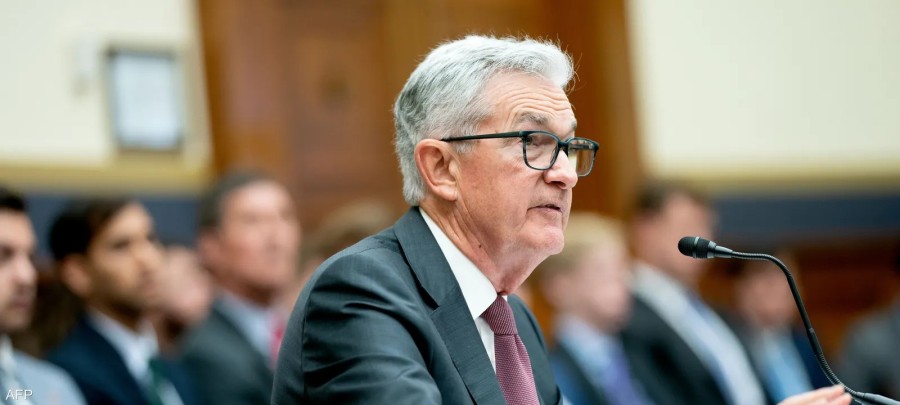


Federal Reserve Chairman Jerome Powell is expected to push for another quarter-point interest rate cut this week, despite growing concern among some monetary policymakers that inflation will remain high.
The Federal Reserve cut interest rates for the second time in a row in October, driven by a sudden deterioration in the US labor market over the summer. However, this was followed by a wave of hawkish sentiment expressed by some officials, including five members with voting rights on monetary policy this year, indicating reluctance or unwillingness to support a third rate cut in December.
Division within the Federal Reserve over interest rate cuts
This growing divide has been exacerbated by a lack of recent economic data resulting from the government shutdown that lasted for most of October and November. Furthermore, the most recent inflation figure available to policymakers, released on December 5, dates back to September, a report unlikely to alter the ongoing debate on monetary policy.
Against this backdrop, investors displayed serious doubts for about a week in mid-November about the likelihood of a further rate cut. However, much of this unusual debate was settled on November 21 when New York Federal Reserve President John Williams, considered close to Powell, said he saw room for a near-term cut. The market took note and now sees a rate cut next week with a probability exceeding 90%.
Economists surveyed by Bloomberg expect the Fed to pause before implementing two further rate cuts in 2026, in March and September. There is some hope that the influx of new data—as statistical agencies catch up on the delays caused by the shutdown—will help resolve the ongoing tension between the Fed's two missions: containing inflation and maximizing employment.
However, a new drama is brewing. President Donald Trump is expected to announce a successor to Powell soon, whose term ends in May. Kevin Hassett, a close ally of Trump and one of his top economic advisors, is considered the frontrunner. This has raised concerns among some investors that the next Fed chair might push for interest rate cuts at Trump's behest, potentially fueling inflation.
Bloomberg Economics experts' opinion:
If Powell adopts a more hawkish tone at the press conference to appease the hardline regional bank presidents, will it make a difference at this stage? After all, the next Fed chairman—Hassett being the favorite—could join the board in February, effectively leaving Powell in a position of limited influence during the final months of his presidency.
Anna Wong, Stuart Ball, Eliza Winger, Estelle O, Chris G. Collins, Alex Tanzi and Troy Dory
In contrast, the Bank of Canada is expected to keep its interest rate unchanged at 2.25%. Officials said this level is fairly appropriate as long as economic and inflation forecasts remain in line with expectations.
Although third-quarter growth significantly exceeded expectations, it was largely driven by lower imports and a surge in military spending, while household consumption declined. Inflation is nearing the target level of 2.2%, although underlying indicators remain elevated.
Meanwhile, decisions by the central banks of Australia, Switzerland and Brazil will attract market attention, and Eurozone finance ministers are scheduled to elect a new president.