


































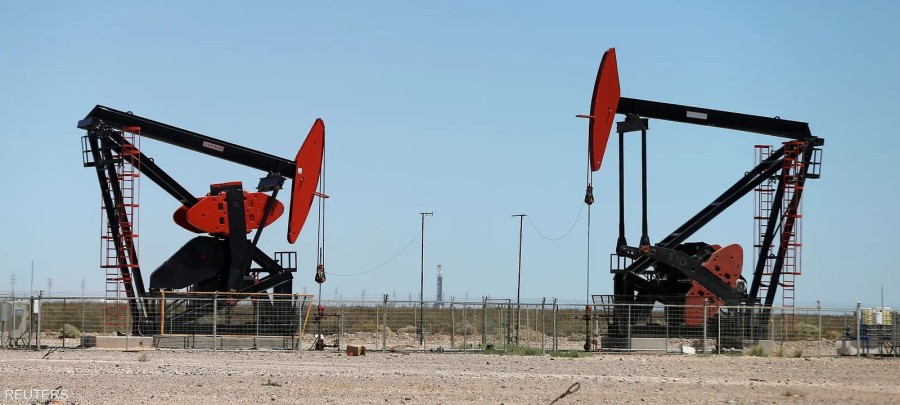


Oil prices rose during trading on Wednesday, March 4, as the US-Israeli war on Iran disrupted production in the Middle East and affected exports from the region.
Brent crude rose by about 2% to $83 a barrel, after hitting its highest closing level since January 2025 on Tuesday.
U.S. West Texas Intermediate crude rose 1.6% to $75.74 a barrel, after hitting its highest settlement level since June.
Israeli and American forces launched attacks on targets across Iran on Tuesday, prompting it to launch attacks on energy infrastructure in a region that produces slightly less than a third of the world's oil.
Officials told Reuters that Iraq, the second-largest crude oil producer in the Organization of the Petroleum Exporting Countries (OPEC), has cut its production by about 1.5 million barrels per day, roughly half its output, due to limited storage capacity and a lack of export outlets. They added that the country could be forced to halt its production of approximately three million barrels per day within days if exports do not resume.
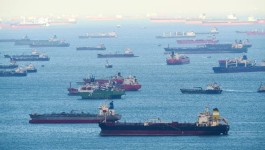
Iran also targeted oil tankers in the Strait of Hormuz, through which about a fifth of the world's oil and liquefied natural gas supplies pass. Traffic remained virtually halted for the fourth consecutive day after Iran attacked five ships.
However, statements by US President Donald Trump that the US Navy might begin escorting oil tankers through the Strait of Hormuz if necessary helped to limit the rise in crude oil prices.
Trump said he had ordered the U.S. International Development Finance Corporation to provide political risk insurance and financial guarantees for maritime trade passing through the Gulf.
But ship owners and analysts wondered whether military escorts and insurance support would be enough to restore confidence.