





































Bernstein analysts said that oil prices above $100 a barrel due to the war with Iran could put significant pressure on airline profitability, although the broader commercial aviation cycle is likely to remain resilient.
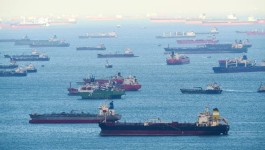
The escalation in the Middle East has dramatically altered oil market expectations, shifting from a pre-conflict forecast of a supply surplus to a potential deficit if the unrest continues. The conflict has already driven crude oil prices sharply higher and raised concerns about supply risks associated with the Strait of Hormuz, a vital route for global energy shipments.
High fuel costs pose a direct challenge to airlines because jet fuel is one of their largest operating expenses. When oil prices rise due to a supply shock rather than strong economic demand, carriers typically struggle to pass the additional costs on to passengers quickly enough, squeezing profit margins.
Bernstein noted that the recent surge in energy prices has been accompanied by a sharp increase in jet fuel refining margins, further intensifying cost pressures on airlines. The current rise reflects both gains in crude oil prices and disruptions in refined fuel supply chains in the region.
However, the impact varies considerably across carriers depending on their business models, hedging strategies, and route networks. Network airlines generally spend a smaller share of their revenue on fuel compared to low-cost carriers, making them somewhat more resilient to oil price shocks. Airlines with stronger balance sheets, diversified revenue streams, and higher margins are also better positioned to absorb higher fuel costs.
Bernstein highlighted that some airlines have substantial fuel hedges for 2026, which could mitigate the near-term impact of higher prices. Additionally, carriers with exposure to Asian routes could benefit if passengers avoid transiting through conflict-affected Middle Eastern hubs.
Despite the pressure on airlines, the broader aviation sector may prove more resilient. Aircraft manufacturers like Airbus and Boeing are supported by massive order backlogs spanning nearly a decade of production, reducing the risk of widespread order cancellations even if airline profitability weakens.
The greatest risk lies in the aircraft maintenance and after-sales sector. If airline profits decline, carriers may postpone engine repairs or reduce aircraft utilization, which could impact maintenance revenues for aviation suppliers.
Bernstein said the key factor for the sector will be the duration of the conflict and its impact on oil prices. A short-term disruption lasting a few months could keep crude oil prices high but manageable, while a prolonged shutdown of key energy routes could drive oil prices sharply higher and create deeper pressure across the aviation industry.