

















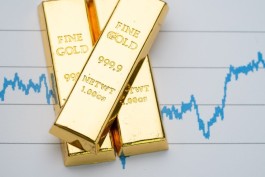










The World Gold Council believes that the current decline in gold prices is merely a temporary correction and not the beginning of a long-term downward cycle, as the fundamental factors supporting prices remain in place despite the current pressures, according to Andrew Naylor, the council's Middle East president.
Gold continued its decline, after falling below $4,000 an ounce for the first time in November yesterday, while the US dollar index rose 0.8% this week, making precious metals priced in US dollars more expensive for buyers in other currencies.
Markets are awaiting US inflation data and the Federal Reserve's monetary policy direction. Naylor explained in an interview that the slower pace of interest rate cuts has increased the opportunity cost of holding gold, which is putting pressure on investment demand.
Weak demand in the largest markets
Naylor explained that among the current pressures on the precious metal is the decline in demand in China and India, the two largest consumer markets.
The decline in demand in India was also attributed to higher taxes on gold imports, while the Chinese market is facing weakness due to a slowdown in the real estate sector, along with seasonal factors affecting gold purchases.
He said: There is weakness in all directions of demand, but we still believe that this situation is temporary, while the fundamentals remain positive in the long term.
End of a long upward trend
The recent price decline ended a long rally for gold. The metal had posted double-digit gains in each of the past three years, more than doubling in value as central banks, money managers, and individual investors rushed to buy.
But the rally lost momentum in late January, shortly after the precious metal hit an all-time high near $5,600 an ounce. By June, it had fallen more than 20% from its recent peak, a level traditionally considered the start of a bear market. The outbreak of war between the United States and Iran was a major factor weighing on the precious metal's performance, as it drove up energy prices and fueled inflation.
Global banks, including Deutsche Bank, Goldman Sachs, and Bank of America, have lowered their gold price forecasts for this year, predicting it will hover around $4,900 per ounce by year-end, down from previous projections of $6,000. However, they maintained their optimistic outlook for the precious metal's long-term future.
The fundamentals support the yellow metal.
Nevertheless, Naylor believes that gold will remain an effective hedge against inflation in the long term, noting that central bank purchases, coupled with geopolitical risks, high debt levels in Western economies, concerns about the sustainability of these debts, and the independence of the Federal Reserve, will remain among the most prominent factors supporting gold in the coming period.
A survey conducted by the council revealed that 89% of central banks expect their gold reserves to increase, while 45% plan to increase their purchases over the next twelve months. Naylor noted that central bank purchases remain one of the most significant structural factors supporting the gold market.
He noted that the relationship between gold and geopolitical risks remains strong, pointing out that a 100 basis point increase in the geopolitical risk index has historically pushed gold up by about 2.5%.