



















Oil prices fell as traders assessed the implications of the United States' arrest of Venezuelan President Nicolas Maduro on global crude supplies, and the wider impact on the country's energy sector.
Brent crude futures for March settlement fell 0.5% to $60.42 a barrel at 2:20 p.m. Singapore time, while West Texas Intermediate crude futures for February delivery dropped 0.6% to trade at $56.97.
Despite the turmoil in Venezuela over the weekend, the OPEC member country represents only a small fraction of global supply, at a time when the market is already suffering from a growing oversupply.
Neil Shearing, chief economist at Capital Economics, wrote in a note: “Any short-term disruption to Venezuelan production can easily be offset by increased output elsewhere.” He added: “We expect global supply growth over the next year to push oil prices down to around $50.”
A prolonged decline in Venezuelan production
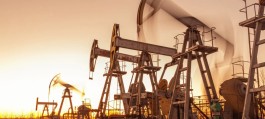
Venezuela was once a major oil producer, but its output has declined sharply over the past two decades and now accounts for less than 1% of global supply, most of which is exported to China. The market faces a potential surplus this year, as OPEC+ and non-OPEC producers add more barrels at a time when demand is falling.
On Sunday, OPEC+ reaffirmed its plans to freeze supply increases during the first quarter. The alliance, led by Saudi Arabia and Russia, did not discuss Venezuela during the 10-minute video conference, according to delegates who said it was too early to assess how to respond to the evolving situation.
Despite the U.S. attacks on Saturday, Venezuela's oil infrastructure, including the Jose port, the Amuay refinery and key production areas in the Orinoco Belt, was unaffected, according to people familiar with the matter.
US sanctions and pressure
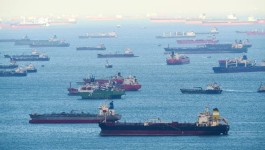
Recent US pressure on the Maduro regime, including the seizure of tankers carrying Venezuelan oil, has forced the country to begin shutting down some oil wells.
US President Donald Trump said on Saturday that sanctions on the sector would remain in place, but added that American companies would help rebuild infrastructure and revive production, in a process likely to be lengthy. He told reporters on Monday that companies were very keen to invest in Venezuela.
Harris Khurshid, chief investment officer at Carobar Capital in Chicago, believes that US investment and any real easing of sanctions will take time, and oil production won't return overnight. He added: Currently, the surplus remains the most influential factor, outweighing geopolitics and capping prices.
On Sunday, U.S. Secretary of State Marco Rubio said the United States would use its leverage over oil to push for further change in the Latin American nation. Meanwhile, Venezuela's interim president, Delcy Rodríguez, called on the United States to cooperate with her country, adopting a more conciliatory tone after her initial outrage over Maduro's arrest.