
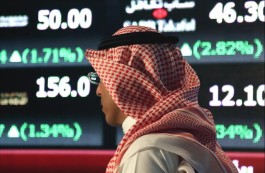
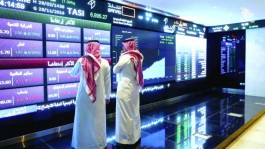
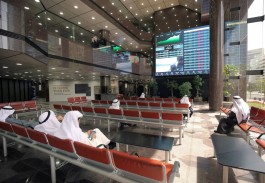
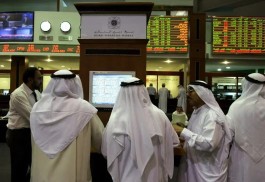
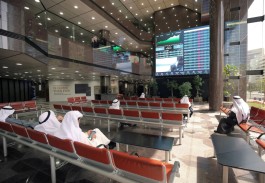
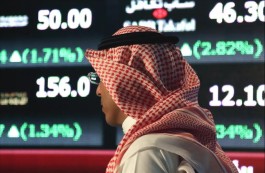
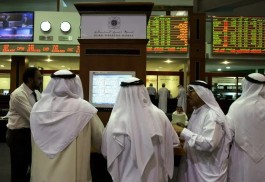




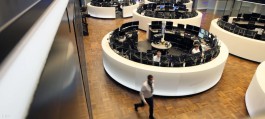






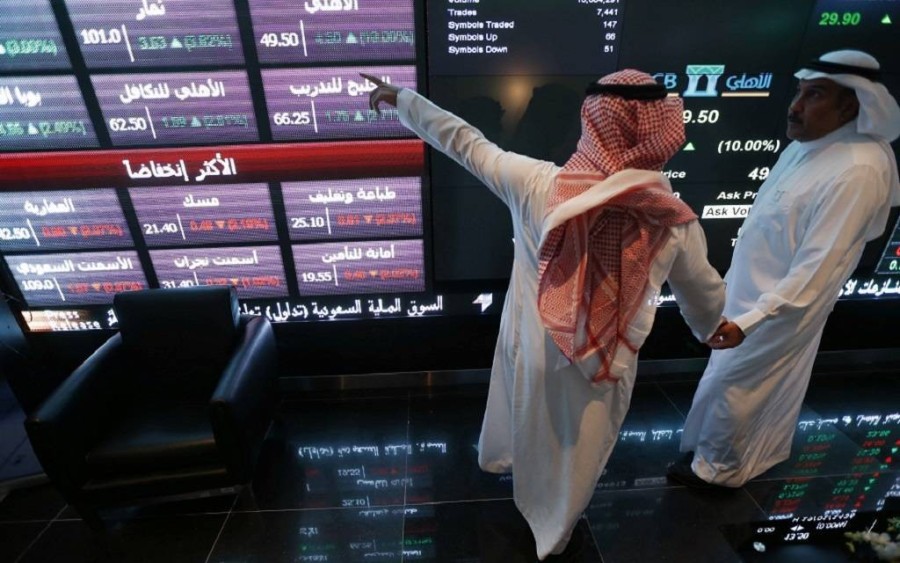


The main Saudi stock index plunged at its fastest pace in 11 months at the opening of trading on Sunday, in parallel with the decline of other markets in the region, following US-Israeli attacks on Iran that killed Supreme Leader Ali Khamenei and a number of senior officials, and Tehran's response by bombing several targets, including countries in the region.
The Tadawul All Share Index (TASI) fell by approximately 4.5%, its largest decline since April 6 of last year when it lost 6.8%, before recovering slightly to close down around 2% at 10,495 points. This recovery was driven by a 2.4% gain in shares of Aramco, the largest listed company by market capitalization. Shares in the major banking sector all experienced a sharp decline, led by Al Rajhi Bank, which fell by 2.9%, and the National Commercial Bank, which lost more than 4%.
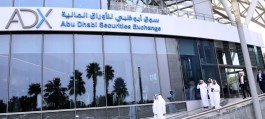
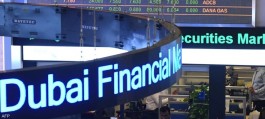
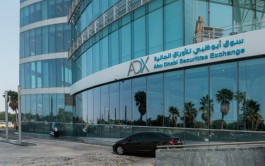
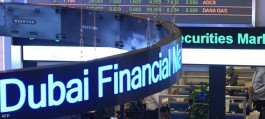
In other markets in the region, the Muscat Securities Market's main index fell by 3% and the Bahrain Bourse's index by 0.55% at the start of trading today. It's worth noting that the UAE and Qatari stock markets are closed for a holiday, while the Kuwait Stock Exchange has suspended trading until further notice. The Egyptian Exchange's main index also declined by more than 5% at the opening of trading.
Energy stocks will support TASI
Financial analyst Mohammed Zeidan expects the market to see a partial recovery, but the downward trend will continue during the current week, especially after trading begins in global markets.
He added: Support could come from the energy sector, specifically Aramco shares. Geopolitical risks and the potential closure of the Strait of Hormuz would lead to higher oil prices. Aramco shares remaining above 25.5 riyals provides room for further gains, and therefore, support for the Tadawul All Share Index (TASI) could come from energy sector stocks, which have a significant weighting.
High volatility is expected during the week.
For her part, Mary Salem, a financial analyst at Al-Sharq, points out that the Saudi market will witness more fluctuations during this week, especially after Trump’s statements in which he said that these strikes on Tehran may extend for days or weeks as needed.
She added that all of this will create a kind of caution and uncertainty among investors, which will lead to strong fluctuations during the upcoming sessions.
Israel launched a new wave of strikes on targets inside Iran on Sunday, and US President Donald Trump said the strikes were aimed at ending what he called the decades-long Iranian threat and preventing Tehran from developing a nuclear weapon.
Tehran had launched hundreds of missiles and drones in response to the initial attacks, targeting US military sites in the region, cities within Israel, and Arab countries, further escalating regional tensions. This escalation disrupted air traffic after several countries closed their airspace completely or partially, and numerous flights were canceled, reflecting the widening repercussions of the crisis on vital economic sectors.