


















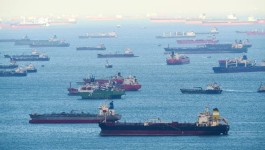


















Oil prices stabilized as geopolitical tensions related to Greenland eased, supporting broader markets and offsetting a range of supply-related factors.
Brent crude futures for March settlement fell 0.1% to $65.21 a barrel at 2:08 p.m. Singapore time, while West Texas Intermediate crude futures for March delivery also fell 0.1% to trade at $60.65 a barrel.
US President Donald Trump said he would refrain from imposing tariffs on Europe over the Arctic island, indicating that a framework for a possible agreement had been reached.
Supply pressures and market balance
Oil prices rose slightly in the first weeks of the new year, mainly supported by a wave of unrest in Iran, which has now subsided, as well as disruptions to shipments from Kazakhstan.
This progress came despite widespread concerns that global crude supplies would outstrip demand, following continued increases in production by OPEC+ members and producers outside the alliance.
The International Energy Agency on Wednesday maintained its forecast of a large market surplus this year, although it slightly raised its estimate for demand growth.
US inventories rise
In the United States, which is one of the most data-transparent oil markets, inventories rose by 3 million barrels last week, according to the American Petroleum Institute, an industry group. Official inventory data is due later on Thursday.
Broader supply issues continue to weigh on the outlook. The Caspian Pipeline Union terminal is now scheduled to come online, pushing loadings up as Venezuelan supplies return to the global market.
Meanwhile, India’s private oil refiner Reliance Industries has again purchased Russian crude, with deliveries scheduled for February and March.
Chris Weston, head of research at Pepperstone Group, said: “We have seen some interest in buying Brent and West Texas Intermediate crude following Trump’s Davos speech and social media posts,” referring to the US president’s remarks at the World Economic Forum, as well as his comments on Greenland.
However, he added: There is little conviction to pursue this move aggressively. The supply background remains a burden, limiting further gains.
Meanwhile, The Wall Street Journal reported on Thursday that the United States is seriously pursuing regime change in Cuba by the end of the year. It added that assessments by the Trump administration reveal the Cuban economy is nearing collapse after losing a vital backer in Venezuelan President Nicolás Maduro.