




















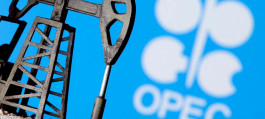


The major OPEC+ countries are expected to keep their oil production quotas unchanged in November, as the ongoing conflict in the Middle East continues to constrain output for several members, according to Bloomberg.
Delegates reported that a group of seven producers, led by Saudi Arabia and Russia, reached a preliminary agreement to maintain current production targets over the next month, ahead of a video conference scheduled for Sunday, where the final decision is expected to be announced.
This move comes as part of the alliance’s current production roadmap, after OPEC+ previously indicated it would suspend any further quota increases until the end of 2026.
Oil futures are heading toward $100.00 a barrel amid turmoil stemming from the potential conflict with Iran, while diesel prices have reached record highs at the pump. Supply pressures have prompted G7 nations to announce the release of up to 100 million barrels of emergency oil and diesel reserves.
OPEC+ agreed to a series of modest quota increases during the six months ending in August, with the aim of theoretically reversing the production cuts adopted in 2023.
However, these increases had a limited impact on actual global supplies, as the war contributed to a decline in production in the Arabian Gulf region. Production from major OPEC members, including Saudi Arabia, Iraq, and Kuwait, remains significantly below pre-conflict levels.
This disruption has also contributed to reducing the immediate importance of changes in the group’s official production targets, while Gulf producers may have a wider margin to increase their actual production if regional conditions stabilize.
The coalition is expected to focus its attention in the next phase on another productive class that has been out of service since 2022.
Any decision regarding the restoration of this production capacity will likely depend on an ongoing assessment of the production capacity of the members, which will help determine how future quotas will be distributed among the group's countries.
OPEC+ ministers are scheduled to meet on 29/11 to decide on production policy for 2027.