












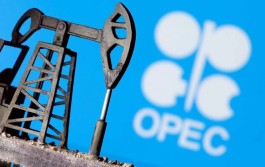













OPEC+ is expected to keep its oil production policy unchanged for October when members meet on Sunday, Reuters reported exclusively, citing two sources familiar with the discussions, as the group moves toward setting new production quotas.
The anticipated halt comes amid the ongoing war with Iran, which is disrupting oil exports through the Strait of Hormuz, thus reducing the ability of OPEC+ decisions to influence crude prices and the group's market share.
OPEC+ had agreed in August to increase production for September, thus completing the gradual rollback of the 1.65 million barrel per day supply cut that was originally agreed upon in 2023.
Actual production remains significantly below the group's target levels, due to the war and disruptions to regional oil flows. This discrepancy means that previously announced increases have had a more limited impact on actual supply than the announced quotas suggest.
The 21-member alliance, which includes the Organization of the Petroleum Exporting Countries (OPEC), Russia and other producers, still has another layer of production cuts scheduled to remain in place until the end of 2026.
Before deciding how quickly these remaining reductions can be reversed, members need to review their production capacity and establish new reference production levels for 2027. These reference levels are of great importance as they determine the individual production quotas allocated to each member.
Discussions regarding new benchmark levels are expected to take place later this year, making a pause in production increases during the fourth quarter an increasing likelihood.
The anticipated decision also comes at an unusual time for the producers' alliance. With exports disrupted by the Strait of Hormuz crisis, the amount of crude oil reaching global markets is now being shaped more by wartime shipping restrictions than by OPEC+ production target adjustments.
This has weakened the group’s traditional ability to manage supplies and influence prices through coordinated changes in production levels.