










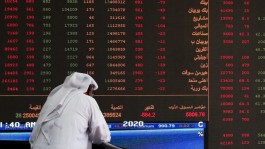


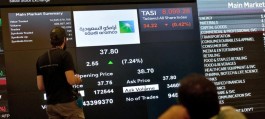

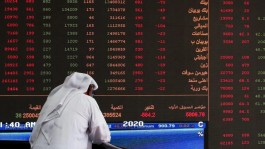

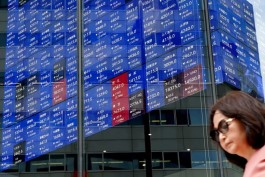

















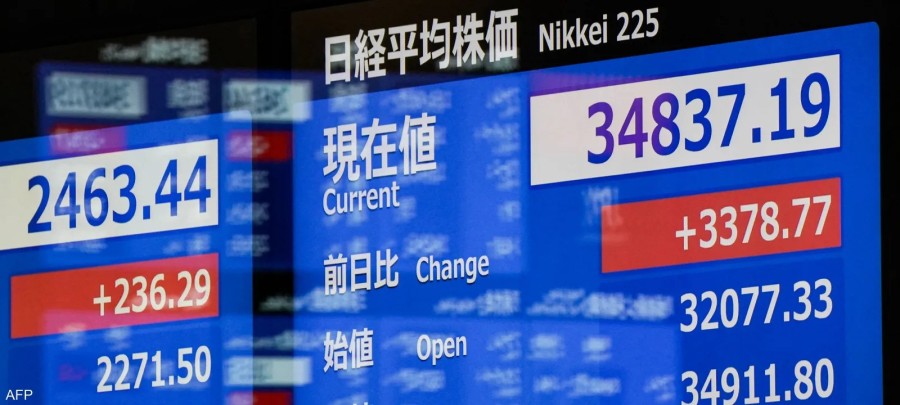


The global sell-off in the technology sector has spread to Asia, with growing concerns about inflated valuations and massive spending on artificial intelligence prompting investors to reduce their risk exposure.
The MSCI index of Asian technology stocks fell on Thursday for the fifth time in six sessions, with Samsung Electronics and SoftBank among the decliners.
South Korea's Kospi index, a prominent example of AI investments, led the losses, falling 2.8%. In contrast, consumer goods and healthcare stocks gained. The broader MSCI Asia Pacific index also declined, dropping 1.4%.
Wall Street weighs on Asian sentiment
These moves came after the tech-heavy Nasdaq index declined during trading on the New York Stock Exchange, before sentiment took a further hit as shares of Alphabet, Qualcomm, and Arm Holdings fell in after-hours trading following lackluster earnings results. US index futures relinquished their initial gains to trade virtually unchanged.
Outside of the technology sector, attention was focused on precious metals, with silver plunging as much as 15% and gold falling as much as 3.5%, in a sharp reversal after two days of recovery following a historic sell-off that began on Friday.
Growing concern over AI assessments
Although AI-driven sell-offs have occurred before, what the markets are experiencing this week is unprecedented, with turmoil spreading across stock and credit markets.
As the US economy shows some resilience, investors are shifting their portfolios toward other sectors, amid growing concern about technology company valuations, rising capital spending, and the risk that artificial intelligence could undermine existing software business models.
Nick Tweedel, senior market analyst at AT Global Markets, said Asian markets were taking a hit from the overnight sell-off on Wall Street.
He added: I don't know if we can say that peak technology has been reached, but I think there's room for further correction. It's a traditional move to sell technology stocks and return to defensive sectors.
Increased pressure on chip companies and the Big Seven
The sell-off in technology stocks was the most prominent feature of the US session, with software companies experiencing a fresh wave of selling, though the moves were even more pronounced in chip stocks. A Bloomberg index tracking the performance of the so-called Big Seven (Apple, Alphabet, Amazon, Nvidia, Meta, Microsoft, and Tesla) fell by 1.8%.
Asia's moves came after the Nasdaq 100 suffered its worst two-day decline since October, breaking below its 100-day moving average, a level some analysts see as a sign of potentially more losses.
Down nearly 20% from its peak on October 2, the Hang Seng index of technology stocks is close to closing in a bear market. The index has fallen for six consecutive sessions, with concerns about taxes and profits in China weighing on sentiment, which was already shaken by a global sell-off linked to artificial intelligence.
Billy Leong, investment strategist at GlobalX Management, said that as the crowded momentum deals unravel, we are seeing pressure on software, semiconductor and parts of the artificial intelligence ecosystem, while leadership shifts to other sectors.
Widespread losses across Silicon Valley
In just two days, hundreds of billions of dollars in value were wiped off the stocks, bonds, and loans of companies across Silicon Valley. Software stocks were at the heart of the storm, plummeting so sharply that the value of shares tracked by an iShares exchange-traded fund (ETF) fell by nearly $1 trillion in the past seven days.
For his part, Mark Cranfield, a strategist at Bloomberg Markets Live, noted that traders will be watching the weekly low for silver near $71, but the more significant level is likely to be $70. He added: “The white metal hasn’t traded in the $60s since December, and a return to that range would deepen the risk-averse sentiment across asset classes.”
Washington and Beijing discuss trade and Taiwan issues
In other markets, Bitcoin continued its decline, trading below $72,000, while the yen fluctuated ahead of Japan's elections scheduled for the beginning of the week. The Bloomberg Dollar Spot Index held onto its gains from the previous session.
Both the pound and the euro were steady ahead of expected interest rate decisions later on Thursday, with both the European Central Bank and the Bank of England expected to leave interest rates unchanged.
In other developments, US President Donald Trump and Chinese President Xi Jinping discussed trade issues and geopolitical tensions, including Taiwan, during a phone call on Wednesday, ahead of a planned face-to-face meeting later this year.
In commodity markets, oil prices fell for the first time in three days after Iran confirmed it would hold talks with the United States, easing the immediate risk of military strikes against the OPEC member producer.