

































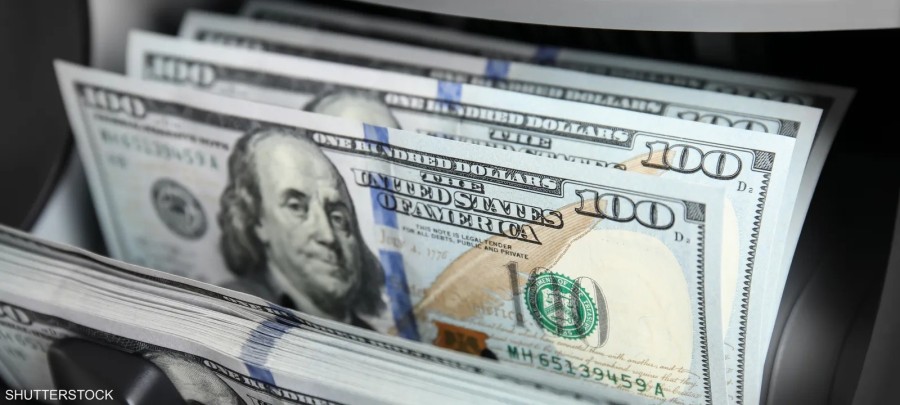


The US dollar fell against all major currencies as investors increased their bets on the Federal Reserve cutting interest rates after new signs of weakness in the US economy emerged.
The Bloomberg Dollar Index fell for a fourth day as Asian investors assessed Tuesday's weaker-than-expected retail sales data, reinforcing the case for further interest rate cuts by the Federal Reserve.
The anxiety ahead of the release of US jobs data on Wednesday and inflation figures on Friday also gives traders an additional reason to reduce their investment positions in the dollar.
Forrester: Interest rate differentials are back in the spotlight
David Forrester, a strategist at Credit Agricole in Singapore, said that the interest rate differential story has resurfaced as weak US economic data has led investors to price in a greater likelihood of further interest rate cuts by the Federal Reserve.
Data released by the Commerce Department on Tuesday showed that U.S. retail sales unexpectedly stalled in December, suggesting that consumer support for the economy is losing momentum toward the end of the year.
Which currency is leading the gains against the dollar?
The Australian dollar led gains against the US dollar after central bank deputy governor Andrew Hauser said inflation remained too high, paving the way for further interest rate hikes.
The yen continued its rise for the third consecutive day following Prime Minister Sanae Takaichi's election victory earlier this week.
Forrester of Credit Agricole said: The yen remains among the G10 currencies most affected by interest rate differentials, and is also receiving additional support from the stabilization of long-term Japanese government bond yields following the House of Representatives elections.
How do hedge funds view the performance of the dollar-yen exchange rate?
Hedge funds took preemptive investment positions ahead of the US jobs data release by buying options contracts on the dollar-yen pair, aiming to profit if the pair continues to decline. They also bought Australian dollars against the US dollar in the spot markets.
Mark Cranfield, market strategist at Bloomberg Markets Live, said: “The Australian dollar’s gains are triggering broader sell signals for the US dollar, in a rally that is benefiting other currencies such as the yen, euro and New Zealand dollar.”
US jobs forecast for January
U.S. employers likely added 65,000 jobs in January, according to a Bloomberg survey of economists, which would mark the largest monthly increase in jobs in four months.
Calvin Yeo, investment manager at the Singapore-based hedge fund Blue Edge Advisors, which takes bets on a rising yen, said: “Tonight’s non-farm payrolls data, and subsequently the consumer price index, will be crucial in determining how long the current interest rate gap will persist.”