

































Oil prices rose again after new US military strikes in Iran cast a shadow over prospects for a temporary agreement between Tehran and Washington to reopen the Strait of Hormuz, at a time when talks are expected to continue for several more days.
Brent crude, the global benchmark, climbed above $98 a barrel after falling more than 7% on Monday, while West Texas Intermediate crude was near $92.
The US Central Command said US forces struck missile launch sites and boats that were trying to plant mines, after Iranian media reported explosions around the Strait.
Foreign Minister Marco Rubio told reporters in India on Tuesday that negotiations would take a few days while the two sides discussed specific wording in a preliminary document.
Crude oil futures fell sharply in the opening session of the week after President Donald Trump posted that talks were going well, while also threatening further attacks if they did not succeed.
New blows disrupt the negotiation process
Oil prices, which rose in March and April, are headed for a loss in May, as the fragility of the ceasefire and efforts to reopen the Strait of Hormuz overshadow signs of a rapid decline in inventories.
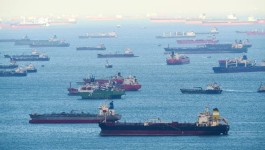
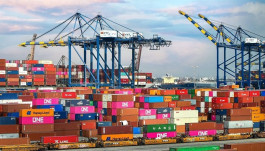
The strait, the main waterway through which a fifth of the world's oil and liquefied natural gas flowed in peacetime, remains effectively closed, subject to blockades by the United States and Iran.
The United States and Iran are negotiating an agreement that would extend the ceasefire for about two months, with the US lifting its blockade and Tehran reopening the Strait of Hormuz. However, points of contention remain, as Tehran insists on controlling maritime traffic through this chokepoint, a demand that the US, Arab states, and Europe maintain is unacceptable.
Israel intensifies its strikes in Lebanon
Saul Kavonic, senior energy analyst at MST Marquee, said that at the moment, it is too early to think about reaching a peace agreement, let alone committing to one. He added: “There have been claims from both sides over the past few months about the success of the negotiations or the reopening of the strait, but these have not materialized.”
In a separate post, Trump said that destroying Iran's enriched uranium stockpile was the best option, with the possibility of delivering it to the United States. Washington has cited Iran's nuclear program as a primary reason for its involvement in the conflict alongside Israel, asserting that Tehran poses a threat because it seeks to develop nuclear weapons.
In a sign of further challenges, Israel said on Monday it would intensify strikes in Lebanon against the Iranian-backed Hezbollah. Tehran has demanded an end to hostilities in that country as part of any agreement with the United States.