
















Oil prices stabilized as investors focused on the next steps in peace talks over the war with Iran, amid the near-total closure of the vital Strait of Hormuz, prolonging the turmoil that has rattled global markets.
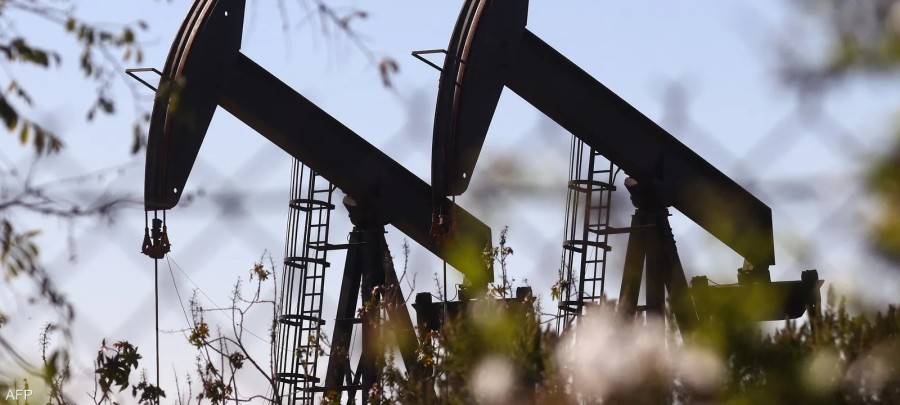
Brent crude traded near $111 a barrel after rising 2.8% on Tuesday, while West Texas Intermediate crude was above $99.
US President Donald Trump said Iran had asked the United States to lift its naval blockade of the Strait of Hormuz, while the two sides negotiated to end hostilities that have choked off energy supplies from the Middle East.
Supply disruptions drive up prices
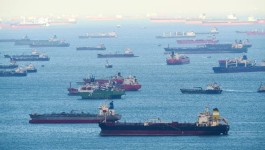
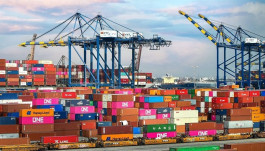
The Strait of Hormuz has been almost completely closed since the conflict began in late February, driving up energy prices after the flow of crude oil, natural gas and petroleum products from the region was halted.
The war has raised fears of an inflation crisis, with the International Energy Agency describing the situation as the biggest supply shock in history.
The ceasefire has held since early April, with the stalemate between the US and Iran over peace talks persisting, although the naval blockade appears to be putting pressure on Tehran. According to Kpler, the country is rapidly depleting its crude oil storage capacity, threatening to accelerate production cuts.
Bloomberg quoted Michelle Bruhard, head of geopolitical policy and risk at Kpler, as saying: The stalemate could last for weeks. Either the global market will tell Trump it can't tolerate this oil shortage any longer, or it will demand that Iran export its oil.
CNN, citing informed sources, reported that mediators expect Iran to present a revised proposal to end the war within the next few days. Trump stated in a post on Truth Social that Tehran wants to reopen the vital waterway for oil shipments as soon as possible while it tries to resolve its leadership issues.
Washington continues to exert pressure
The United States is escalating its pressure on Iran through other means. The Treasury Department’s Office of Foreign Assets Control (OFAC) has warned financial institutions of the risk of sanctions being imposed on Chinese oil refineries, most of which are independent refineries in Shandong province, due to their ties with Iran.
On Friday, the United States imposed sanctions on Hengli Petrochemical, one of China's largest private refiners, for its ties to Iran, a move that threatens to escalate tensions between Beijing and Washington ahead of a planned summit between the two countries' leaders. Hengli has denied any business dealings with Iran.
The US Treasury Department also issued strong directives warning of the possibility of imposing significant sanctions related to paying fees to the Iranian government in exchange for allowing passage through the Strait of Hormuz.
Bloomberg quoted Dennis Kessler, senior vice president of trading at BOK Financial Securities, as saying: “I think the United States still has a much larger advantage, and that Iran is feeling the pressure of the embargo.”