





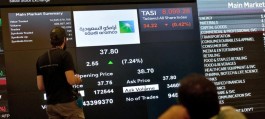


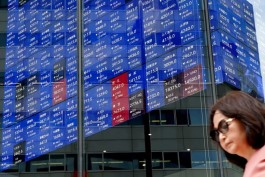
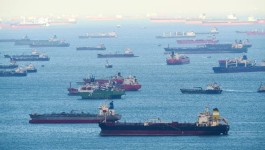

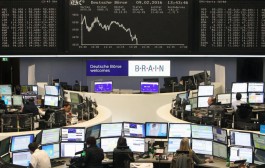











Asian stocks fell sharply on Monday after the United States and Israel launched attacks on Iran over the weekend, sending oil prices soaring and triggering a wider risk aversion and flight to safe-haven assets.
Regional markets received a negative signal at the close of Wall Street trading on Friday, as uncertainty surrounding artificial intelligence and interest rates caused US stocks to decline. US stock futures fell 0.6%, paring some of their opening losses.
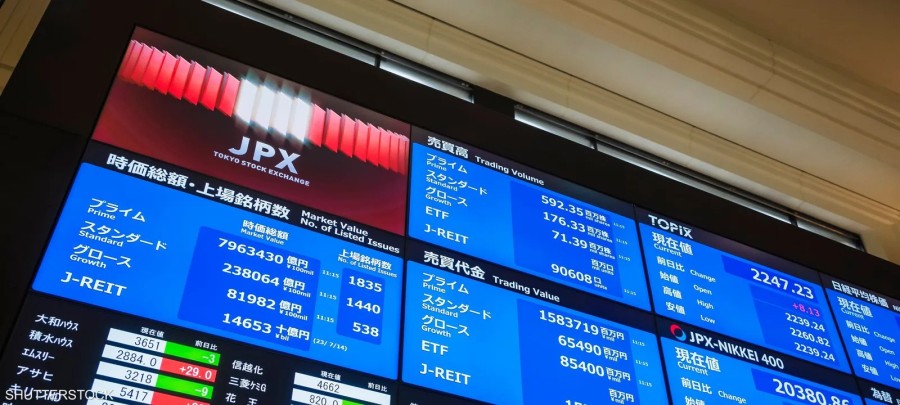
Hong Kong’s Hang Seng index and Japan’s Nikkei 225 were among the worst performers in Asia, falling 2.4% and 1.6% respectively, pressured by losses in technology stocks.
Japan’s Topix index also fell by 1.6%, while China’s CSI 300 and Shanghai Composite index declined by 0.6% and 0.5% respectively.
Australia's S&P/ASX 200 index fell 0.5%, while Singapore's Straits Times index dropped 1.8%. India's Nifty 50 futures also declined, falling 0.8%.
The market decline came after the United States and Israel launched attacks on Iran over the weekend that killed hundreds, including Iranian Supreme Leader Ali Khamenei and several other top officials. Iran retaliated by launching strikes on several Middle Eastern countries and US bases in the region.
There are no signs of the conflict abating, with US and Israeli leaders indicating continued attacks on Iran, while Tehran has vowed a strong response, with attention also focused on a possible change in the country's leadership.
In addition to geopolitical tensions, Asian markets have also been under pressure due to losses in technology stocks, as investors remain uncertain about the impact of artificial intelligence on the sector.
Shares of software companies in particular suffered heavy losses during February due to concerns about increased competition from artificial intelligence tools.
In China, attention is focused on the upcoming meetings of the country's top political bodies, scheduled to be held between March 4 and 11, which will set the agenda for China's 15th Five-Year Plan.
It is widely expected that Beijing will announce further economic stimulus measures, especially given the gradual slowdown in China's economic growth during the 2020s.