




















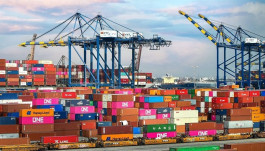






The Gulf Cooperation Council (GCC) states rejected any fees for ships passing through the Strait of Hormuz and directed that joint transport and infrastructure projects be accelerated, as the Iran war nears the end of its ninth week.
This stance was expressed in the final statement of the nineteenth Gulf Consultative Summit held in Jeddah, Saudi Arabia, under the chairmanship of Crown Prince Mohammed bin Salman, where the leaders stressed their categorical rejection of the illegal Iranian measures to close the Strait or obstruct navigation in it, including imposing any fees under any name, stressing the need to restore freedom of navigation and return the situation to what it was before the start of the war on February 28.
The war has led to a near-closure of the Strait of Hormuz, through which about one-fifth of the world's energy supplies pass, causing market volatility, higher prices, and raising fears of a global inflation wave, at a time when some producers in the Gulf have been forced to reduce oil production.
Iran said it would begin imposing fees on ships passing through the strait, and passed a special law for this purpose, in an attempt to assert its control over the vital waterway, a move that has been met with widespread rejection.
In parallel, the leaders directed the General Secretariat to expedite the completion of joint Gulf projects, especially in the areas of transport and logistics, while pushing forward the Gulf railway project, in addition to strengthening electrical interconnection, studying the establishment of pipeline networks for transporting oil and gas, and water interconnection and strategic reserve projects.
Declining trust with Tehran
In the same context, the leaders condemned the blatant Iranian attacks targeting the GCC countries and Jordan, and affirmed their right to defend themselves individually and collectively in accordance with the UN Charter, stressing that the security of the GCC countries is indivisible, and that any attack on a member state is considered an attack on all.
The statement also noted the decline in trust with Iran, calling on Tehran to take serious steps to rebuild it, in parallel with supporting diplomatic paths to end the crisis, and paving the way for reaching agreements and understandings that address the concerns of the GCC countries, and enhance security and stability in the long term.
The leaders praised the ability of the GCC countries to contain the repercussions of the escalation, particularly the rapid rehabilitation of damaged energy facilities, maintaining stable supplies, dealing with supply chain disruptions, and enhancing cooperation in the logistics and aviation sectors.
These messages were reinforced during the interventions of the participating leaders, as the Emir of Qatar, Sheikh Tamim bin Hamad Al Thani, affirmed that the summit reflects a unified Gulf position that supports diplomatic paths, while the UAE Foreign Minister, Sheikh Abdullah bin Zayed, stressed the need to raise the level of coordination and integration to confront regional challenges, reiterating that the security of the GCC countries is indivisible.