

































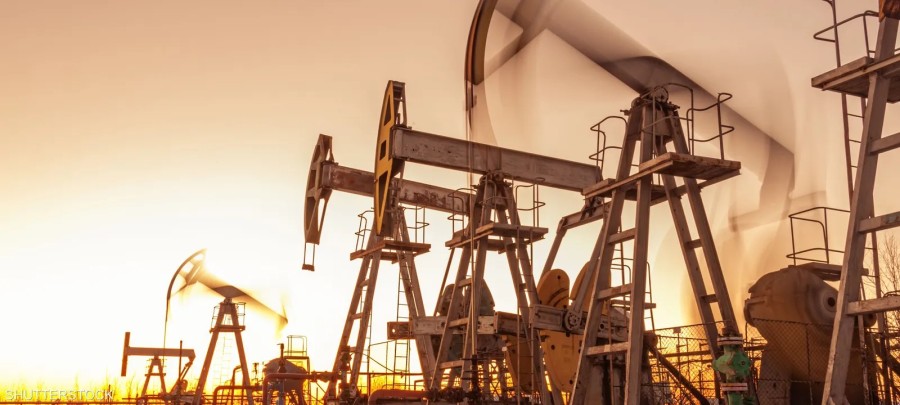


Oil prices stabilized after plunging nearly 8% in the previous session, as the United States and Iran consider a new proposal to end the war in the Middle East.
Brent crude traded below $102 a barrel, while West Texas Intermediate crude approached $95.
A person familiar with the matter said that Washington had presented a one-page memorandum of understanding that could lead to a gradual reopening of the Strait of Hormuz, and that Iran was expected to respond in the coming days.
The impact of war on energy markets
The war has turned global energy markets upside down, with the vital sea lane largely closed since the end of February.
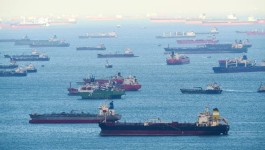
Currently, this waterway faces a double blockade, with Tehran obstructing traffic while the US Navy prevents ships from entering or leaving Iranian ports to pressure the country's oil industry. Ship owners remain cautious, and the strait remains largely empty.
Vandana Hari, founder of the analysis firm Vanda Insights, said that another drop in crude oil prices is premature and overly optimistic, as the only thing that matters to the market is how and when the Strait of Hormuz will reopen. She added: At this stage, that prospect is less than a faint shadow on the horizon.
On Wednesday, US President Donald Trump posted on social media, without providing details of the proposal, that the United States would end its military campaign and lift its blockade, assuming Iran agrees to the terms—a highly probable assumption. He added: If they don't agree, the bombing will begin.
Pressure to end the war
The US president is under pressure to end the energy price war as retail prices in the United States soar, raising voter concerns about affordability.
In addition, Trump and Chinese President Xi Jinping are scheduled to hold a summit in Beijing on May 14 and 15. This week, China's top diplomat called for the swift reopening of the Strait of Hormuz in a meeting with his Iranian counterpart.
Will Todman, a senior fellow in the Middle East program at the Center for Strategic and International Studies, said: President Trump seems very keen to make sure that Iran does not derail his summit with Xi.
He added: The United States and Iran would never have agreed on a comprehensive deal quickly, but agreeing on a framework gives them time and some respite.
Freedom Project Suspension
The latest US proposal came after Trump suspended a short-term mission to ensure safe passage for ships through the Strait of Hormuz. The source said that detailed talks on Iran's nuclear program, a central issue that prompted Washington to launch the war, would come later, adding that nothing had yet been agreed upon.
Analysts at RBC Capital Markets LLC, including Helima Croft, wrote in a note: “Undoubtedly, some in the market will view a one-page memorandum of understanding to resume negotiations within the next 30 days as a significant step forward.” They added: “However, it is unlikely that the memorandum of understanding will translate into an immediate resumption of shipping and major production restarts.”
Meanwhile, US government data showed that exports of refined petroleum products surged to a record high last week, as the country became a major fuel supplier to the world amid a supply crisis triggered by the conflict. Crude oil inventories declined.
In the latest trading, Brent crude futures for July settlement rose 0.4% to $101.67 a barrel at 1:57 p.m. in Singapore, while West Texas Intermediate crude futures for June delivery increased 0.3% to trade at $95.32 a barrel.