




















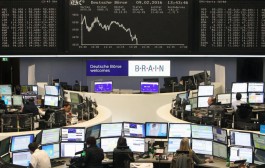














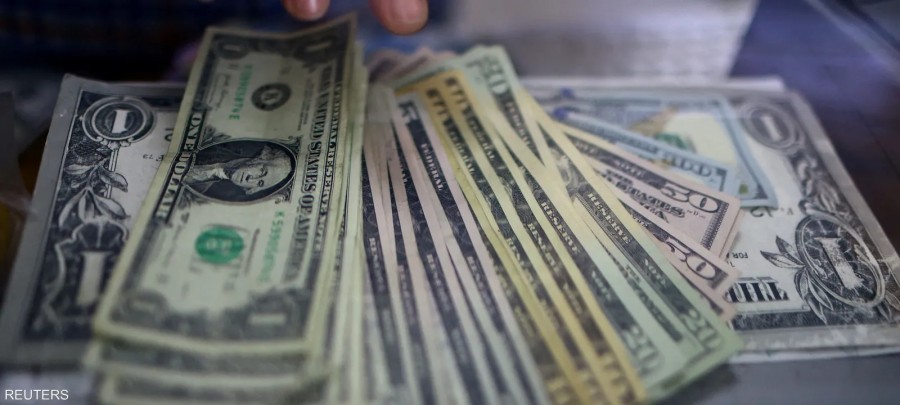


The safe-haven US dollar fell, nearing its seventh consecutive daily loss on Tuesday, as investors repositioned themselves in anticipation of a possible diplomatic breakthrough in the Middle East, despite continued restrictions on energy flows through the Gulf.
The US dollar moved between stability and slight decline against most major currencies during the Asian session, following its broad decline the previous night, falling 0.3% against the Japanese yen to 159.02 yen, while remaining almost stable against the euro at $1.1768.
In this context, reports indicated that negotiations between Washington and Tehran were continuing, while US Vice President JD Vance confirmed that the White House expected progress from Iran towards reopening the Strait of Hormuz, through which about one-fifth of the world’s energy supplies pass.
The dollar index is nearing its lowest levels.
The dollar index, which measures the performance of the US currency against a basket of six major currencies, fell slightly to 98.31 points, nearing its weakest level since March 2, the first trading day after the outbreak of war between the United States and Israel on one side and Iran on the other.
The continued decline for seven consecutive days represents the longest losing streak for the index since December, when markets were betting on a cut in US interest rates and widespread weakness in the dollar's performance globally.
On the other hand, the New Zealand dollar settled at $0.5871, while the Australian dollar approached $0.71, recording its highest level in about a month.
Political statements support the markets and warn of risks.
US President Donald Trump announced that the US military began enforcing a blockade on ships leaving Iranian ports starting Monday, but at the same time indicated that Iran had expressed a desire to reach an agreement.
In this context, Keiichi Eguchi, chief strategist at Resona Holdings, explained that these statements helped calm the markets, as they revived the prospects of reaching a diplomatic solution to the crisis.
On the other hand, Eguchi pointed out that the Japanese yen remains vulnerable to selling pressure, amid concerns about Japan’s deteriorating trade balance as a result of continued high oil prices.
Expectations for an interest rate hike in Japan have declined.
The likelihood of the Bank of Japan raising interest rates this month has declined from what was previously considered high, due to the uncertainty imposed by the war on markets and economic forecasts.
Data showed that interest rate swaps indicated only a 32% probability of an interest rate hike this month, compared to 57% last Friday.
In this context, Ray Attrell, head of currency strategy at National Australia Bank, explained that the Bank of Japan's holding off on interest rates at the end of April could push the dollar-yen exchange rate above the 160 yen-to-dollar level.
Markets view the 160 yen-dollar level as a red line, with any breach increasing the likelihood of government intervention to support the Japanese currency. Conversely, these movements reflect a cautious wait-and-see approach in currency markets, as geopolitical factors continue to influence investor sentiment.
Against this backdrop, the dollar remains under pressure, awaiting the outcome of political developments in the Middle East.