

























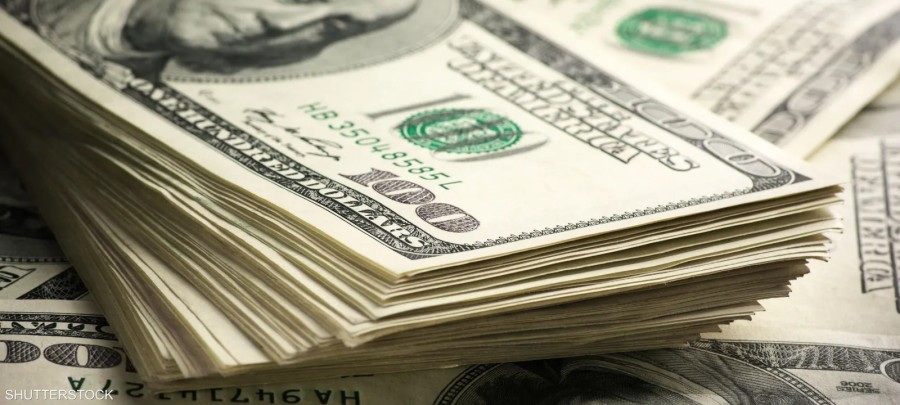


The US dollar is facing renewed pressure in the early weeks of 2026, as investors find themselves reassessing their bullish bets on the currency's stability amid growing signs of Washington's desire to weaken the dollar, coinciding with escalating geopolitical risks. The dollar is on track for its biggest three-day loss against a basket of major currencies since last April, the month that saw President Donald Trump's so-called Emancipation Day tariffs trigger an unprecedented sell-off of US assets.
During his first year in the Oval Office, Trump's unpredictable trade policies, repeated attacks on the Federal Reserve's independence, and massive government spending caused the dollar to lose about 10% of its value. Currently, the US currency continues its lackluster performance, lagging behind major currencies such as the euro, the British pound, and the Swiss franc.
January saw a series of moves by President Trump; he threatened to impose American control over Greenland, hinted at imposing additional tariffs on European allies, sought to file a criminal indictment against Federal Reserve Chairman Jerome Powell, oversaw an operation aimed at capturing the Venezuelan president, and threatened Canada with a de facto trade embargo.
Despite Trump backing down from some of his threats regarding Greenland and Europe, and the markets' relative disregard for the Venezuela issue, the overall climate remains tense. Market volatility indicators point to high uncertainty, while the bond market remains fragile, particularly with the sharp sell-off in Japanese government bonds threatening to impact US Treasury bonds. Meanwhile, gold continues its surge to new record highs, underscoring investors' search for alternative safe havens.
Domestically, the crackdown on illegal immigration, which resulted in the deaths of two American citizens this month and sparked protests, has fueled fears of a potential government shutdown. The dollar is also under pressure as expectations grow that the Federal Reserve will cut interest rates at least twice this year, while other major central banks are poised to pause or even raise rates, diminishing the appeal of the US currency as a yield-based investment vehicle.
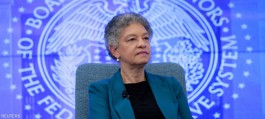
Powell, who resisted Trump's pressure to cut interest rates quickly, is set to leave office in May. Betting markets now indicate a 50% probability that he will be succeeded by Rick Rieder, head of BlackRock's bond division, a known proponent of low interest rates, which is adding further selling pressure to the dollar.
This turbulent landscape at the beginning of 2026 reveals a fundamental shift in how markets react to the US dollar. No longer simply an automatic safe haven, the dollar is facing a growing crisis of confidence due to the entanglement of economic policies with geopolitical agendas. The convergence of domestic pressures—from potential changes in Federal Reserve leadership and immigration policies—with external tensions and trade threats presents investors with a new reality: political risks emanating from Washington have become a structural factor putting pressure on the currency. This could reshape the global hedging and investment landscape in favor of alternative assets and competing currencies if this approach to managing international affairs continues.