





































The Fed's preferred inflation data for August came in positive, with the core PCE price index rising by only 3%, while experts had predicted a rise of 3.3%. Also, the second-quarter GDP growth data came in at 2.2%, higher than the expected 1.5%.
The headline annual consumer price index for August recorded growth of 2.6%, lower than the expected 3.7%. On a monthly basis, the headline price index for August grew by 0.3%, lower than the expected 0.4%.
In an immediate reaction, spot and futures contracts for gold, as well as futures contracts for Wall Street indices, rose, with these results supporting the scenario of raising interest rates by only 25 basis points for the remainder of 2026, instead of raising them by 50 basis points at the October and December meetings.
Details of inflation data and its impact on markets
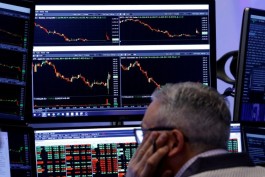
Wall Street stock futures jumped on Wednesday, the last trading day of September, after US economic data showed an unexpected slowdown in inflation last month, which helped lower Treasury yields and ease price pressures on major indexes. Futures contracts linked to the Dow Jones Industrial Average gained about 180 points, or 0.3%, while S&P 500 futures rose 0.4%, and Nasdaq 100 futures also climbed 0.4%.
Data showed that the Federal Reserve's preferred personal consumption expenditures (PCE) price index rose 3.4% year-on-year in August, compared to 3.7% in the previous month, falling short of analysts' expectations of 3.7%. Even more positive was the decline in the core PCE price index (which excludes food and energy) to 3% year-on-year, compared to 3.3% in the previous month, exceeding analysts' expectations and providing a clear indication of easing inflationary pressures.
Falling yields and declining likelihood of interest rate hikes
US Treasury yields fell after the data release, settling at 5.23%, moving away from their highest levels since 2007. Yields on 30-year bonds also declined to levels not seen since June 2002. These high yields had been putting sustained pressure on equity markets throughout the month, pushing the S&P 500 into negative territory with a 0.2% loss as of Tuesday. Jose Torres, chief economist at Interactive Brokers, commented that while stocks are trying to hold their ground, tighter financial conditions are empowering sellers and increasing demand for downside protection.
Conversely, comments from John Williams, president of the Federal Reserve Bank of New York, helped to ease concerns about monetary policy. He stated that there was no urgent need to act and that the Fed had ample time to gather more data before its upcoming October meeting. The CME Group's FedWatch tool showed traders' pricing in the probability of a quarter-point rate hike next month had fallen to 49%, compared to 71% on Monday.
September and Q3 results and labor market data
Wednesday marks the final day of trading for September and the third quarter, with mixed performance across the indices. The S&P 500 and Dow Jones are on track for monthly losses, while the Nasdaq is up more than 1% this month. For the quarter, the S&P 500 and Nasdaq are up around 2%, while the Dow Jones is down nearly 2%.
On the labor market front, the ADP employment report revealed that the US private sector added 90,000 jobs in September, exceeding the Dow Jones survey forecast of 68,000 and representing a significant jump compared to the revised August figure of 36,000. Traders then turned their attention to the personal consumption expenditures report due later that morning.