































Oil prices fell on Tuesday as supply concerns eased amid signs that talks between the United States and Iran to end their ongoing conflict might resume, despite the US blockade of the Strait of Hormuz.
Brent crude futures fell 1.4% to $97.90.
US West Texas Intermediate crude fell 1.8% to $91.21.
This decline came after strong gains in the previous session, with Brent crude rising by more than 4% and West Texas Intermediate crude by about 3%, following the start of the US military's blockade of Iranian ports.
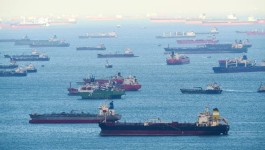
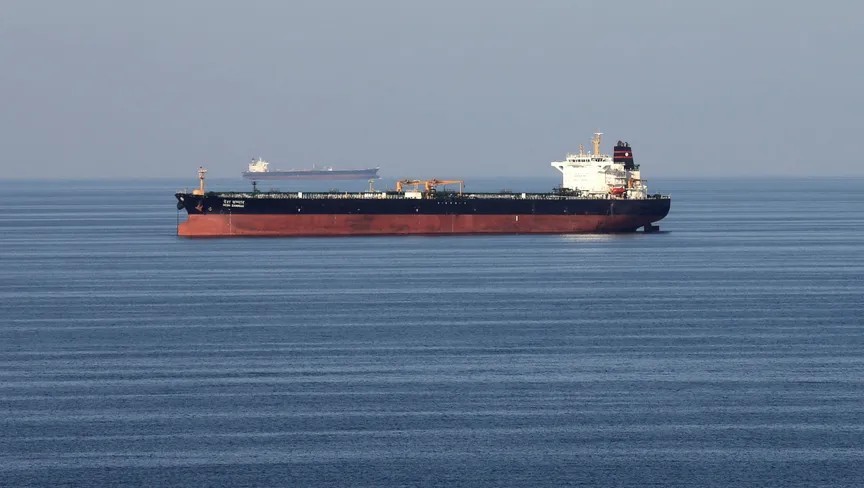
The US military announced on Monday that it was expanding the blockade to include the Gulf of Oman and the Arabian Sea to the east, while ship tracking data showed two vessels turning back within the strait as the blockade began to be implemented.
In response, Iran threatened to target ports in Gulf states, following the collapse of talks earlier this week in Islamabad, which were aimed at containing the crisis.
Tim Waterer, chief market analyst at KCM Trade, said that President Donald Trump succeeded in calming pressure on oil prices by indicating the possibility of reaching an agreement, despite the failure of peace talks in Pakistan, according to Reuters.
Informed sources reported that channels of dialogue between Washington and Tehran remain open, while Pakistani Prime Minister Shehbaz Sharif stressed the continuation of efforts to reduce tensions, and Trump said that Iran is seeking to make a deal.
In a related context, NATO countries, including Britain and France, refrained from joining the blockade, calling for the reopening of this vital shipping lane.
For his part, US Energy Secretary Chris Wright indicated that oil prices could peak within the next few weeks, with expectations of a resumption of shipping traffic through the Strait of Hormuz.
International institutions, including the International Monetary Fund, the World Bank and the International Energy Agency, have urged countries to avoid stockpiling supplies or imposing export restrictions, warning of the repercussions of what they described as the biggest shock the global energy market has ever seen.
Fatih Birol, head of the International Energy Agency, said that resorting to drawing on strategic reserves is still unnecessary at the moment, while stressing that the agency is ready to intervene if needed.
Meanwhile, the Organization of the Petroleum Exporting Countries (OPEC) lowered its forecast for global demand growth during the second quarter by 500,000 barrels per day, according to its latest monthly report.