


















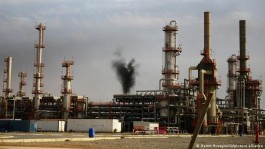



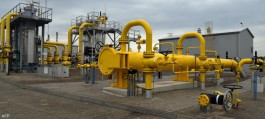







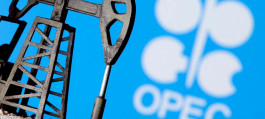
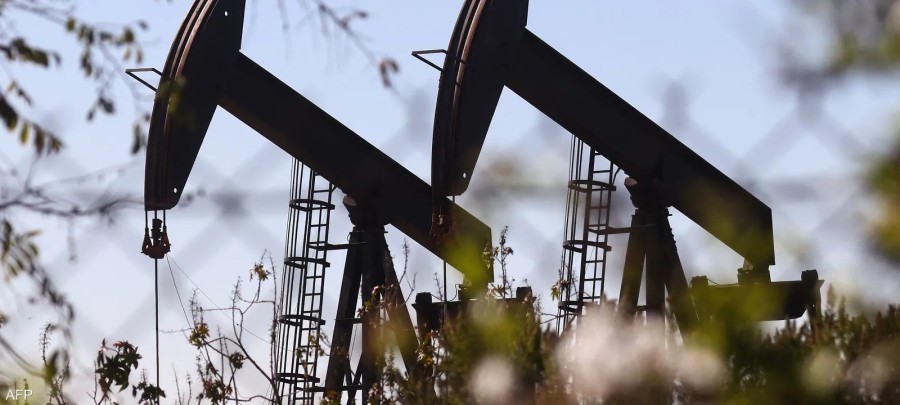


Oil prices rose after Iran said it would not compromise on its conditions for reopening the Strait of Hormuz, after President Donald Trump rejected its proposal to do so, dashing hopes for a swift resumption of traffic through the vital waterway.
Brent crude rose to nearly $108 a barrel, while West Texas Intermediate crude surpassed $94. In an interview with Axios on Sunday, Trump said that Washington might have accepted Tehran's terms about a year ago, adding that Iran had overestimated the strength of its position. Axios reported that the US president expects negotiations to resume this week.
Takahiro Asaoka, chief economist at the Itochu Research Institute, said: “The uncertainty surrounding the prospects for diplomatic efforts has increased, contributing to higher prices. There was some expectation that an agreement could be reached before the US midterm elections in November, but that now seems unlikely.”
Crude prices fluctuated last week due to mixed signals on the talks, a recovery in Middle East flows, and uncertainty over US measures to curb record-high diesel prices.
Trump said the White House is seriously considering imposing restrictions on fuel exports. Brent crude has risen by about 75% this year as the conflict between the United States and Iran enters its eighth month, increasing inflationary pressures.
The path back to talks remains uncertain.
The path back to talks remains uncertain. Negotiators had discussed an agreement to reopen the waterway and for Washington to lift its blockade on Iranian ports, according to a person familiar with the matter. The agreement would have been similar to the memorandum of understanding reached in mid-June, which led to a fragile ceasefire before it collapsed.
Treasury Secretary Scott Bisent told Fox News that Tehran will likely send its last oil shipments to China within two weeks, as Beijing significantly reduces its support for the country. He added that only about 15 million barrels of Iranian crude remain at sea, increasing the pressure on Tehran to reach an agreement.
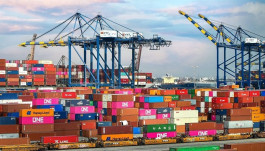
Traders will continue to monitor actual flows through the Strait of Hormuz, which carried roughly a fifth of the world's crude oil and liquefied natural gas before the war began. Trump said a record amount of oil was removed from the strait on Saturday evening, while the Fars news agency reported that Iranian forces targeted vessels using unauthorized routes through the waterway.
Tensions remain high in the Middle East. The Saudi-led coalition said on Saturday that its air defenses intercepted Houthi drones heading toward Riyadh and a missile targeting Khamis Mushait in the south. Alarms were also sounded in Abha and Jazan, which host Aramco energy facilities.
Latest oil price movements
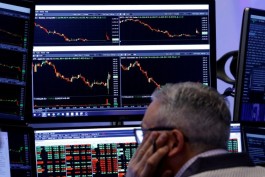
Brent crude futures for November delivery rose 3.2% to $107.66 a barrel by 6:36 a.m. in London. The November contract expires on Wednesday. The more actively traded December contract rose 2% to $99.34 a barrel.
West Texas Intermediate crude oil futures for November delivery rose 2.3% to $94.46 a barrel.