

























Oil prices stabilized after their biggest weekly gain, as traders assessed the outlook for Venezuela, while concerns about a global supply glut persisted.
Brent crude was near $62 a barrel, after closing 1.7% higher in the previous session, as the U.S. arrest of Venezuela's president over the weekend injected some geopolitical risk premium into prices. U.S. oil stocks jumped on the prospect of a revival in the country's energy sector.
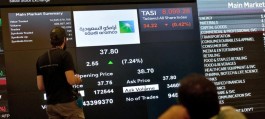
However, the broader market is expected to suffer from a significant surplus, and Venezuela represents only a small fraction of global output, meaning any disruption to the country's exports is unlikely to have a lasting impact on prices. Saudi Arabia has cut its crude prices for Asia for the third consecutive month.
The surplus is expected to widen in the first half and peak in the middle of the year, according to Morgan Stanley, which lowered its price forecasts for the first three quarters of 2026.
Oil futures ended last year with their biggest annual decline since 2020, as the OPEC+ alliance and other producers outside the alliance added more barrels to the market.
Prospects for reviving Venezuela's energy sector
Venezuela was once a major oil producer, but now accounts for less than 1% of global supply, after years of underinvestment left the country's energy infrastructure in poor condition.
Chevron is the only major American company operating in the country under a special American license.
U.S. Energy Secretary Chris Wright plans to speak this week with oil industry executives about reviving Venezuela's energy sector, according to people familiar with the matter.
President Donald Trump told NBC News that the United States might support efforts to help rebuild it.
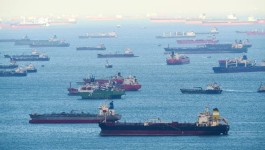
The blockade of tankers and the buildup of US forces in the region had fueled speculation about escalating tensions in the energy-rich nation.
Hedge funds boosted bullish bets on crude to their highest level since November in the week before the United States arrested Venezuelan President Nicolas Maduro.
Charu Chanana, chief investment strategist at Saxo Markets in Singapore, commenting on Monday's price gain, said: The rebound looks more like a geopolitical risk premium added on top of positioning than a genuine shift in oil fundamentals. She added that futures are vulnerable to a rapid decline.